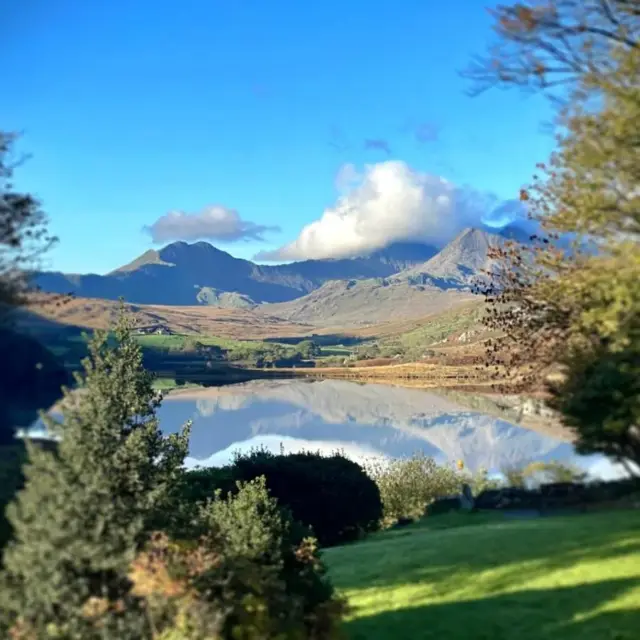
Über Capel-Curig
Capel Curig Details
Capel Curig, sometimes spelled Capel-Curig in older texts, is a small village set high in the folds of Snowdonia in North Wales. For visitors seeking a quiet base from which to explore the mountains, Capel Curig offers a quintessentially Welsh experience: rugged landscapes, misty mornings, and a friendly, close-knit community. The final, officially recognized area name is Capel Curig, a place steeped in history and surrounded by some of Britain’s most dramatic scenery. Its coordinates are 53.0999984741211, -3.91667008399963, quietly marking the village at the edge of the Moel Siabod massif and the Ogwen Valley. The village sits within Conwy County Borough in the broader region of North Wales, in the country of the United Kingdom. Its proximity to Snowdonia National Park makes Capel Curig a natural starting point for many adventures, while its small size preserves a sense of serenity that can be hard to find in busier tourist hubs.
Though Capel Curig is not a city, it sits close to several larger settlements. The nearest sizeable urban center is Bangor, a city to the northwest, while Betws-y-Coed, though a village, acts as a critical hub for hikers and walkers heading into the surrounding mountains. For practical purposes, visitors often approach Capel Curig by road via the A5, then transition to local lanes that wind toward mountain trails. It’s common for travelers to regard Capel Curig as a gateway village—the starting point for many balcony views, cliff-top photographs, and tranquil strolls along rivers and woodlands. Within the village, you’ll encounter a blend of traditional Welsh hospitality and modern outdoor gear shops, reflecting a community that exists mainly to welcome travelers into the hills.
Holiday Recommendations in Capel Curig
Capel Curig makes a superb base for a Snowdonia holiday, whether you’re a hardcore mountaineer, a relaxed walker, or a photographer chasing dramatic cloudscapes. For a well-rounded long weekend, consider a plan that blends mountain ascents with slower, restorative days in the Ogwen Valley and Betws-y-Coed’s riverside charm. Begin with Moel Siabod, a commanding companion to Capel Curig that offers a classic Welsh ridge walk with a varied ascent, rewarding hikers with sweeping views over Llyn Ogwen and the surrounding peaks. For a gentler option, choose a forest trail by the lakes and streams nearby, then reward yourself with a post-hike hot chocolate in the village’s inn.
If you’re visiting in late spring or early autumn, you’ll enjoy milder weather and quiet trails that are ideal for family-friendly hikes. Summer, by contrast, brings busier trails and longer daylight; it’s the season when evening wildlife and birdsong create a natural soundtrack to your days. For those drawn to water and crags, the Ogwen Valley offers dramatic glacial scenery, perfect for photography and contemplative pauses beside glistening streams. Capel Curig is also a useful launch point for day trips to the Glyder Fach, Tryfan, and across to the Llanberis Pass—the kind of backcountry routes that define Snowdonia’s wild heart.
To add a cultural layer to your trip, allocate time for a stroll in Betws-y-Coed or Conwy to sample Welsh crafts, cafes, and local legends. The combination of mountain air, granite villages, and the rhythm of Welsh speech in daily life makes Capel Curig a memorable learning backdrop as well as a playground for outdoor enthusiasts.
Why You Should Choose Capel Curig
Choosing Capel Curig means choosing access to Welsh landscapes in their most pristine form. The village is compact and uncluttered, which translates into long, uninterrupted miles of trails and a sense of space that can be selten found in larger resorts. Capel Curig’s location places you at the heart of Snowdonia’s most beloved routes, giving you the opportunity to wake up and step straight onto a mountain track without wrestling with highway traffic or crowded car parks.
For travelers who want a retreat with character, Capel Curig delivers. Its traditional Welsh inns, welcoming locals, and the occasional café and shop create a homey atmosphere after a day on the hills. The region’s atmosphere fosters a relaxed pace, inviting you to linger over a cup of tea, watch the light shift across the peaks, and feel the quiet stir of rural life. If you’re traveling with family, Capel Curig provides a safe, easily navigable environment where kids can learn about nature, local flora and fauna, and the importance of keeping trails pristine for future generations.
From a practical standpoint, Capel Curig also serves as a logical starting point for a Snowdonia itinerary. Its proximity to Betws-y-Coed, the Ogwen Valley, and the Llanberis Pass means you can pivot easily between hiking, sightseeing, and small-town Welsh culture. The village’s setting—nestled among granite walls and forested slopes—also makes it a photographer’s dream, with frequently dramatic light and a sense of timelessness that’s hard to replicate in more urban destinations.
Transportation and Travel Tips for Capel Curig
Travel to Capel Curig is straightforward, but preparation pays off. The most convenient way to reach Capel Curig is by car. The A5 road, a historic and scenic route, brings you into the valley from the west or north, and local lanes lead directly into Capel Curig village center. If you’re staying in Snowdonia for a few days, a car gives you the flexibility to explore Moel Siabod, Llyn Ogwen, and nearby trails on your own timetable. Parking is typically available around the village, but it can fill up during peak hiking times, so arriving early is wise. During busy weekends and holidays, be prepared for limited spaces and plan accordingly.
Public transport to Capel Curig is available but limited. The area is well-served by regional buses that connect Betws-y-Coed, Bangor, and other towns in Snowdonia; a few routes may run daily, with more frequent services during peak season. If you rely on buses, check schedules ahead of time and plan extra time for rural stops. Rail services are better routed to Betws-y-Coed or Bangor. From either town you’ll need a bus, taxi, or a longer country drive to Capel Curig. For hikers arriving without a car, consider arranging a private transfer or arranging a guided route to the trailheads, especially if you’re new to Welsh mountain terrain.
When you travel in winter, weather can change quickly in Snowdonia. Always check a reliable forecast before you set out, pack layers, and ensure you have adequate footwear and waterproof outerwear. If you’re attempting high-level routes, let someone know your plan and expected return time. Capel Curig’s charm is best enjoyed with good preparation and a respectful approach to the mountain environment.
If you plan to visit Capel Curig from Bangor, the drive will take roughly 60 to 90 minutes depending on traffic and weather. From Betws-y-Coed, you’ll travel a few miles through a landscape of woodlands and river valleys before you reach Capel Curig. The village’s small size means street parking and quiet lanes are typical, but you’ll encounter occasional narrow sections along the approach roads, so careful driving is recommended.
Hotels and Accommodation Options in Capel Curig
Capel Curig offers a curated, small-scale selection of accommodations that fit the village’s peaceful style. Expect inns, guesthouses, and self-catering cottages rather than large resorts. One of the best-known options is The Royal Oak Inn (a traditional pub with rooms) which offers a cozy home base after a day in the hills. In addition to the inn, you’ll find a handful of guesthouses and small Bed & Breakfasts; self-catering cottages in the surrounding lanes provide a flexible option for families or groups who want to cook their own meals after a long day outdoors. Because Capel Curig is a popular stop for hikers, many of these properties benefit from a warm welcome, reliable local knowledge, and practical advice about weather conditions, trail access, and seasonal openings.
If your party needs more space or a longer stay, consider staying in Betws-y-Coed or Conwy for a night or two and commuting into Capel Curig for day trips. The Betws-y-Coed area has a wider variety of lodging, including country cottages and friendly guesthouses, while Capel Curig remains the center for trailheads and a sense of mountain proximity that larger towns cannot replicate. When choosing accommodation, check what amenities you require—private parking, drying facilities for clothes, kitchen facilities, and comfortable lounge areas all contribute to a smoother Snowdonia visit.
Booking ahead is essential during peak hiking seasons or holiday weekends. Capel Curig’s accommodations fill quickly when Moel Siabod, Tryfan, or Glyder Fach are on people’s radar. A little planning goes a long way toward securing a comfortable, well-located base that suits your itinerary and budget.
Seasonal Changes in Hotel Prices in Capel Curig
Seasonal price trends in Capel Curig echo broader Snowdonia dynamics: economy and demand rise when outdoor pursuits are at their height and fall during the colder, wetter months when trails are less appealing to casual hikers. In late spring and summer, particularly from late May through early September, hotel prices tend to rise as weekend visitors and family groups fill limited rooms. Weekday rates may still be competitive, but peak periods bring noticeable price bumps due to high demand and limited inventory in Capel Curig. Shoulder seasons—late autumn and early spring—often offer better value, with comfortable weather for hiking and fewer crowds. Winter is the quietest season; while some inns and B&Bs may reduce rates, services and trail access are more limited, which can affect the appeal of a mid-winter stay.
If you’re flexible with your dates, consider midweek stays during the shoulder seasons to maximize value. Booking well in advance for popular weekends or holiday periods helps lock in the best rates. Seasonal promotions, last-minute deals, and packages may appear in the spring and autumn, particularly if businesses are seeking to attract guests during quieter periods. Always compare prices across nearby Betws-y-Coed and Conwy options as you plan, since a short drive can yield significantly better value without compromising your mountain-focused itinerary.
Reasons to Stay at Hotels in Capel Curig
Staying in Capel Curig offers several compelling reasons beyond convenient access to Snowdonia’s trails. The village presents a quiet atmosphere that is increasingly rare in popular tourist destinations. You’ll be able to walk from most accommodations to scenic overlooks, riverside paths, and local pubs that feel like a home away from home rather than a commercial venue. The location also positions you at or near the highland crossing routes—paths that connect the Ogwen Valley to the Glyderau and the Llanberis Pass—so you can maximize time on trails with shorter walking distances to start points and end-of-day returns to your lodging.
Another important factor is the sense of community. Capel Curig has a small, friendly population and a tradition of hospitality that can make a big difference for first-time Snowdonia visitors. Locals are often happy to share route tips, weather warnings, and hidden gems in the surrounding hills. The village’s proximity to Betws-y-Coed and Conwy means an easy mix of nature and culture—after a day on the hills, you can explore cafes, bookstores, and local crafts in nearby towns.
Finally, Capel Curig’s pace is conducive to mindful travel. The relatively small scale of the village reduces time wasted parked in queues and on long commutes. It provides an ideal balance between outdoor adventure and rest, letting you recharge amid dramatic scenery and quiet Welsh evenings.
Places to Visit and Sights to See in Capel Curig
Capel Curig’s primary allure lies in its surroundings. The village sits at the edge of Snowdonia, where rugged granite ridges meet lush green valleys. The immediate draws include moorland viewpoints, riverine walks, and access to dramatic peaks that attract climbers and hikers from around the world. A short drive away, you’ll find the Ogwen Valley’s winding lanes, which lead to scenic glacial lakes, boulder-strewn landscapes, and dramatic cliff faces. The area is also known for its photographers, who come to capture moody light over rock formations and ice-blue pools after a cool Welsh drizzle.
A classic target for visitors is Moel Siabod, a mountain that dominates the Capel Curig skyline. The Moel Siabod ridge offers a rewarding climb with occasional scrambling and a clear payoff: panoramic views that sweep across Snowdonia, including the Llyn Ogwen basin and the broad curves of the Carneddau and Glyderau ranges. For those seeking water and forests, the Ogwen Valley provides easy-to-access trails that pass along streams and through conifer stands alongside characterful stone bridges and viewpoints suitable for photography.
If you’re keen on cultural and historic points of interest, plan a day trip to Betws-y-Coed to explore the village’s shops and art galleries, or to Conwy to see its medieval town walls and the impressive Conwy Castle. A visit to the surrounding towns gives you a broader sense of Welsh craft, food, and hospitality while Capel Curig itself remains the quiet center for mountain exploration and nature appreciation.
Capel Curig also offers the chance to appreciate starlit skies away from city lights. Clear evenings reveal a canopy of stars and, in winter, the crisp air carries the silence of a highland night. For families and first-time hikers, a gentle walk around streams, meadows, and short woodland trails in and around Capel Curig provides a delightful, low-intensity day with big mountains as a backdrop.
History of Capel Curig and Historical Sites
The name Capel Curig comes from the chapel (capel) dedicated to Saint Curig (Curig is a Welsh figure associated with medieval Christianity). The village’s history is entwined with the broader story of Snowdonia, where monasteries, parish churches, and cattle trails shaped small communities along the mountains and river valleys. Saint Curig’s chapel became the focal point for the early settlement in this upland region, around which families and farms grew. Over centuries, Capel Curig developed as a rural parish and a gateway to Stone Age and medieval landscapes preserved in the surrounding hills and woodlands. The history of Capel Curig is also linked to the development of roads across Snowdonia that allowed travelers, traders, and hikers to access the interior. While Capel Curig may not boast grand castles or cathedrals, its historical value rests in the continuity of rural life, the enduring presence of the Welsh language in daily life, and the way the village has evolved as a sanctuary for people drawn to the mountains.
Historical sites in the wider area often revolve around the Ogwen Valley and Betws-y-Coed, where old bridges, stone walls, and hillside farms tell stories of staple livelihoods and resilient communities. The region’s layered history—from prehistoric landscapes to modern-day adventure culture—adds depth to a visit, inviting travelers to reflect on how people have lived with the mountains for generations and how that relationship continues to shape Capel Curig today.
Tourist Attractions and Activities in Capel Curig
Capel Curig’s list of attractions is modest, but the quality of experiences is high. Hiking and mountaineering are the primary activities. The Moel Siabod ascent is a staple for hikers seeking a physical challenge with spectacular rewards, while gentler forest walks offer an accessible option for families or those easing into highland terrain. Climbing and scrambling routes in and around Snowdonia draw avid outdoor enthusiasts who want to test their skills on granite outcrops and ridge lines. If you prefer water-based pursuits, the streams and lakes in the Ogwen Valley offer peaceful settings for photography, painting, or simply listening to the water as it threads through the valley.
Nature lovers will find the Capel Curig area a sanctuary for birdlife, wildflowers, and the scent of pine and damp earth after rain. The rural environment also presents opportunities for stargazing on clear nights, a reminder that this part of Snowdonia remains relatively unpolluted by artificial light. For those who want a cultural flavor, short trips to Betws-y-Coed or Conwy reveal Welsh crafts, bookstores, and eateries with a distinctly local character. Capel Curig, as a base, is perfect for those who want a balanced mix of outdoor activity and restful downtime in a countryside setting.
Things to Do in Capel Curig
In Capel Curig, you can create a balanced itinerary that blends movement with rest. Top activities include: morning hikes on Moel Siabod or along valley trails; afternoon photography of the Ogwen’s waterfalls and granite tors; a visit to a traditional Welsh pub where you can sample local dishes and regional ales; and evening strolls by the river as the light shifts on the surrounding peaks. If you’re visiting with children, plan shorter nature walks or a visit to a nearby forest for educational opportunities and safe exploration. Seasonal festivals and farmers markets in nearby Betws-y-Coed often feature local produce, crafts, and music that give insight into Welsh rural life. Remember to bring water, a map, a compass or a GPS device, and layers suitable for changeable mountain weather. Capel Curig is at its best when you approach the hills with patience and respect for the natural environment—the mountains reward preparation and curiosity alike.
Local Foods and Drinks in Capel Curig
The culinary scene in Capel Curig is deeply rooted in Welsh and mountain-country flavors. You’ll find hearty soups, cawl (a traditional Welsh broth), Welsh rarebit, and local bread as common staples in pubs and cafés. In nearby Betws-y-Coed and Conwy, you’ll discover regional cheeses, freshly baked bread, and a range of seasonal produce—often sourced from nearby farms and orchards. When dining in Capel Curig, look out for local lamb dishes, seafood when available from the coast, and seasonal vegetables grown by local growers. Traditional Welsh cakes and bara brith are popular with afternoon tea and gentle snacks, while hot chocolate or locally roasted coffee can be the perfect pick-me-up after a brisk hike.
For drinks, Welsh ales and ciders are common in village pubs, and many establishments offer a rotating selection of local beverages. If you’d like to pair your meal with a glass of something Welsh, ask staff for recommendations on the best seasonal options, be prepared to try something new, and enjoy the hospitality that accompanies Welsh dining culture.
Restaurants and Dining Venues in Capel Curig
Capel Curig is home to a handful of dining options, with The Royal Oak Inn being a standout for many visitors. The inn provides a traditional atmosphere, comfortable rooms, and a menu that often highlights Welsh dishes and comfort foods after long days in the hills. In addition to the inn, Capel Curig’s dining scene includes village cafés and small eateries that serve light meals, pastries, and hot drinks. For more extensive dining, plan a short trip to nearby Betws-y-Coed, where you’ll find a wider range of restaurants and cafés offering everything from casual Welsh fare to modern bistro menus. The key for visitors is to embrace the local slow-paced dining experience: take your time, enjoy the view, and savor the flavors that reflect Snowdonia’s landscapes and farms.
Nightlife in Capel Curig
Nightlife in Capel Curig is gentle and intimate. You’ll discover a few traditional pubs that offer a warm welcome, wood-burning stoves, and a steady flow of stories about the mountains and the villages. Expect quiet evenings with friendly chats, occasional live music, and a social lull that invites quiet reflection after a day on the hills. For more vibrant nightlife, a short drive to Betws-y-Coed or Conwy broadens your options with additional pubs, cafés, and late-evening venues. Capel Curig’s evening atmosphere is best enjoyed as a complement to day-long adventures—peaceful, cozy, and grounded in the rhythms of rural life.
Regional Economy in Capel Curig
Capel Curig’s economy centers on tourism, outdoor recreation, and services that support visitors. The village’s proximity to Snowdonia National Park means a steady flow of hikers, climbers, cyclists, and photographers seeking mountain scenery, trails, and fresh air. Local businesses—pubs, bed and breakfasts, and small shops—benefit from this steady stream, especially during the peak hiking months. Birdwatchers, families, and weekend hikers also contribute to seasonal demand for lodging, food, and gear rentals. The surrounding countryside remains a traditional agricultural area, with farms contributing to local product supply for markets and eateries. The synergy between tourism and rural livelihoods helps sustain Capel Curig’s economy while maintaining its character as a quiet, scenic village at the heart of Snowdonia.
Safety in Capel Curig
Safety is a top priority for anyone visiting Capel Curig, particularly for hikers and climbers venturing into the hills. Weather in Snowdonia can change rapidly, so it’s essential to check forecasts, carry appropriate clothing, and wear sturdy footwear. Mountain conditions can be wet, windy, and cold even in summer, so pack extra layers, a hat, and gloves if you’ll be in higher elevations. When walking, carry map and compass or a reliable GPS device, and tell someone your planned route and expected timings. Rural roads can be narrow and winding, with occasional agricultural or wildlife hazards. In winter, ice and snow introduce additional risks, and some high-altitude routes may be inaccessible. Capel Curig’s pubs and inns are good sources of local weather updates and route advice, so don’t hesitate to ask—local knowledge is a valuable safety resource in this region.
Socio-Economic Structure in Capel Curig
Capel Curig’s socio-economic fabric reflects a small, close-knit rural community surrounded by a tourism-driven economy. The majority of local employment is linked to hospitality, accommodation, and outdoor services, complemented by farming and crafts in the wider Snowdonia region. In recent years, the area has also seen an uptick in hikers, climbers, and outdoor enthusiasts who contribute to the local economy by staying in guesthouses, buying meals, and hiring gear. The community’s social life often centers on the village’s pubs and community events, which help sustain a sense of place and shared identity. For visitors, this means an opportunity to observe Welsh rural life in action and to engage with resident guides and shopkeepers who understand the mountains and their changing conditions well.
The economic health of Capel Curig depends on sustainable tourism that respects the trails, locals, and natural surroundings. Visitors who plan longer stays, support local businesses, and participate in responsible outdoor activities play a meaningful role in preserving Capel Curig’s character for future generations while enjoying a memorable Welsh mountain experience.
Cultural Differences That May Surprise Tourists in Capel Curig
Welsh culture remains present in Capel Curig and the Snowdonia region, often expressed through bilingual signage, Welsh language usage in daily life, and traditions that date back centuries. Visitors may notice that Welsh is widely spoken in rural communities, with English commonly used in tourism settings. The pace of life is slower, and hospitality tends to be warm and unhurried; strangers are often greeted with a genuine willingness to share local knowledge about trails, weather, and hidden viewpoints. In Capel Curig, you might encounter a strong sense of local identity rooted in the landscape and heritage of Snowdonia, which can be both charming and reflective of a culture that values place, language, and community. If you’re curious about Welsh customs, take your time in pubs or cafes, listen to local conversations, and consider trying some basic Welsh phrases. Cultural differences add to the richness of a visit, encouraging respectful curiosity and a willingness to learn from locals who are proud of their land and its traditions.
Capel Curig’s blend of Welsh language, mountain life, and rural hospitality creates a welcoming atmosphere designed for exploration. Remember that kindness, patience, and curiosity go a long way in building connections with local residents and fellow travelers alike, making your stay a richer and more meaningful experience.
Where to stay in Capel-Curig
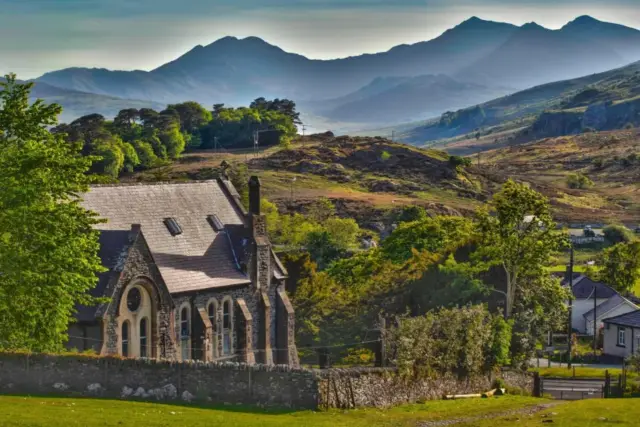
Mountain Church