About Great Ayton
Great Ayton Details
Great Ayton is a picturesque village in North Yorkshire, England, nestled on the edge of the North York Moors in the Hambleton district. It lies roughly 9 to 12 miles northeast of Middlesbrough, placing it within easy reach of the Tees Valley while retaining a distinctly rural charm. The village sits in rolling farmland and lush river valleys, offering a tranquil base for exploring both the moors and the coast. Great Ayton is known for its strong community spirit, historic sites, and access to walking trails that reveal some of the finest scenery in the region. For visitors, the coordinates 54.48806, -1.13293 point to a small but scenic settlement that serves as a gateway to North Yorkshire’s outdoor pleasures.
Final Area Name: Great Ayton; City (nearest): Middlesbrough; Region/County: North Yorkshire; Country: United Kingdom. Corrected coordinates: 54.4881, -1.1329. Great Ayton sits within a culture of village life and rural hospitality that makes it an ideal springboard for day trips into the North York Moors, along with easy access to historic towns and modern city amenities in Middlesbrough.
Holiday Recommendations in Great Ayton
Holiday planning in Great Ayton should center on outdoor adventures, heritage, and relaxed countryside meals. The village is a perfect base for exploring the Cleveland Way National Trail, a long-distance route that links coastal towns and dramatic moorland scenery. Roseberry Topping, a distinctive hill offering panoramic views of the surrounding countryside, is a must-do for walkers and families alike. A short drive or country walk from Great Ayton brings you to the Captain Cook Schoolroom Museum, which offers insight into the early life of one of Britain’s most famous explorers and commemorates the schoolroom where Cook’s early lessons took place. For day trips, a visit to nearby coastal towns, such as Whitby and Saltburn, can neatly complement a slow-paced stay in Great Ayton while still keeping the focus on North Yorkshire’s natural beauty.
Seasonal Highlights
Spring and early summer bring blooming hedgerows and perfect walking weather, ideal for Roseberry Topping climbs and riverside strolls. Summer offers longer daylight hours, inviting longer hikes or family picnics on the village green. Autumn paints the countryside in golds and russets, with cooler days perfect for exploring museum interiors such as Captain Cook Schoolroom Museum. Winter brings a quiet charm, with frosty mornings and the opportunity to enjoy warm pubs and candlelit meals after a day on the moors. Each season in Great Ayton offers distinct experiences, and planning around local events—markets, fairs, and community gatherings—adds a warm village atmosphere to any itinerary.
Why You Should Choose Great Ayton
Choosing Great Ayton means embracing a quintessential English countryside experience while staying within reach of major urban centers. The village blends natural beauty with cultural depth: Roseberry Topping offers dramatic moorland scenery, and the Captain Cook Schoolroom Museum places you at the heart of maritime exploration history. Great Ayton’s location makes it a practical hub for weekend breaks from Middlesbrough, York, or Durham, while still preserving a sense of tranquility absent in larger towns. If you crave fresh air, local flavor, and a sense of time slowed to a rural rhythm, Great Ayton delivers with character, charm, and genuine hospitality.
Transportation and Travel Tips for Great Ayton
Getting to Great Ayton is straightforward for international visitors and domestic travelers alike. By rail, you can reach Great Ayton on the Esk Valley Line that runs between Middlesbrough and Whitby, with services typically connecting from Middlesbrough or nearby towns. From Middlesbrough, regular trains offer a scenic, comfortable journey through North Yorkshire to arrive in the village. By road, the area is accessible via a network of country lanes linked to the A19 corridor and the broader A1(M) and A64 routes; a car provides the most flexibility for visiting Roseberry Topping, the Captain Cook sites, and nearby villages. Local bus services connect Great Ayton with surrounding towns, though services may be less frequent on Sundays. If you’re exploring on foot or by bike, a good map and a sturdy pair of walking shoes will serve you well, as many trails and viewpoints lie just beyond the village limits.
Hotels and Accommodation Options in Great Ayton
Great Ayton offers a range of accommodation that suits different preferences, from traditional bed and breakfasts to country inns and self-catering cottages. Visitors can expect cozy rooms, hearty Yorkshire breakfasts, and intimate, family-run service that reflects the village’s friendly atmosphere. For those seeking village-life charm, a stay in a well-appointed B&B or a small inn offers a perfect combination of comfort and local character. If you prefer more space or a kitchen for a longer visit, self-catering cottages and holiday lets around Great Ayton provide flexibility without sacrificing convenience. For most visitors, staying within or near the village keeps daily excursions to Roseberry Topping, Captain Cook sites, and nearby trails both convenient and enjoyable.
Seasonal Changes in Hotel Prices in Great Ayton
Seasonality affects hotel and lodging prices in Great Ayton much as in other North Yorkshire destinations. Peak periods—summer holidays, spring bank holidays, and weekends tied to local events—often see higher rates, especially in walkable distance to Roseberry Topping and the Cleveland Way. Midweek stays in shoulder seasons such as late spring and early autumn can provide better value while still offering excellent weather and light crowds. Booking ahead for popular weekends or tying your stay to a local festival or market can unlock better rates and a more relaxed experience. Seasonal price fluctuations also reflect the demand for nature-based activities, with hikers and outdoor enthusiasts driving the higher end of the market during favorable weather.
Reasons to Stay at Hotels in Great Ayton
Choosing a hotel or inn in Great Ayton gives you immediate access to nature, heritage, and a peaceful pace of life. Proximity to Roseberry Topping means easy morning or late-afternoon climbs, while access to Captain Cook’s Schoolroom Museum provides a unique cultural anchor for families and history buffs. The village’s small-scale hospitality offers intimate service, a sense of community, and opportunities to sample local dishes and traditional teas in cozy settings. For travelers seeking an overnight base that minimizes travel time to major North Yorkshire highlights yet maximizes countryside living, Great Ayton’s lodging options are an ideal fit.
Places to Visit and Sights to See in Great Ayton
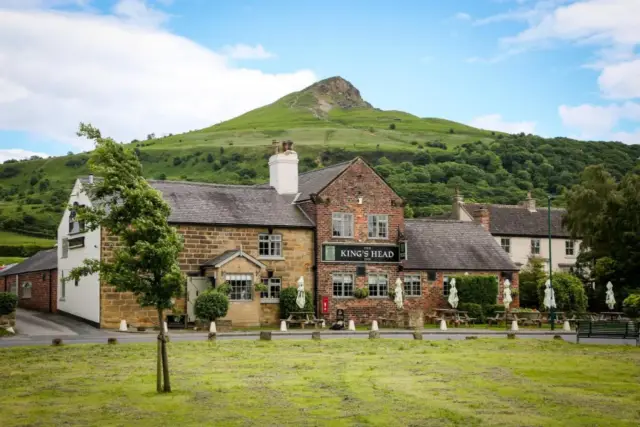
Great Ayton is rich with sights that blend natural beauty, history, and small-town charm. A few of the standout places include Captain Cook Schoolroom Museum, Roseberry Topping, and the village’s historic church. The Captain Cook Schoolroom Museum preserves the classroom where the famous navigator studied as a boy, along with exhibits about his early life and the broader era of exploration. Roseberry Topping is one of the region’s most recognizable landmarks, offering panoramic views after a moderately challenging climb. The Cleveland Way National Trail passes near Great Ayton, inviting day-hikers to explore dramatic moorland landscapes and coastal scenery along the route. The village itself features traditional architecture, a welcoming green space, and local pubs that provide a sense of the place after a day on the moors.
Captain Cook Schoolroom Museum
The Captain Cook Schoolroom Museum in Great Ayton celebrates the early education and life of Captain James Cook. The exhibits offer a window into 18th-century schooling and the local context in which Cook began to learn the trades and curiosity that later propelled his voyages. Interactive displays, period furniture, and engaging artifacts bring visitors into the world of a boy who would become one of Britain’s most renowned explorers. A visit here pairs well with a stroll through the village and a stop at a nearby tea room for a taste of North Yorkshire hospitality.
Roseberry Topping
Roseberry Topping rises dramatically above the surrounding countryside and is one of North Yorkshire’s most beloved viewpoints. The ascent is moderate to challenging, depending on your chosen route, and rewards hikers with far-reaching vistas across the Cleveland Hills, the North York Moors, and, on clear days, the sea. Families and casual walkers can opt for easier paths, while more ambitious hikers can tackle longer loops. Whether you summit or simply enjoy a view from the base, Roseberry Topping remains a defining feature of a Great Ayton visit.
The Cleveland Way National Trail
The Cleveland Way is a long-distance trail that connects coastal towns with moorland heights, and Great Ayton sits along its stretch. Hiking portions of the trail offers a great way to discover varied scenery—from lush valleys to rugged moorland—while enjoying the fresh air and the distinctive flora and fauna of North Yorkshire. Even short day walks from Great Ayton let you experience parts of the trail’s diverse landscapes, making it easy to tailor a day’s plan to your interests and fitness level.
History of Great Ayton and Historical Sites
The history of Great Ayton stretches back centuries, with roots in agriculture, trade, and village life on the edge of the North York Moors. The area’s most famous link is to Captain James Cook, whose early schooling and upbringing are celebrated at the Captain Cook Schoolroom Museum in Great Ayton. The village itself features a mix of historic cottages, traditional stone walls, and an atmosphere that reflects generations of rural living. Nearby churches, old inns, and farmhouses provide a sense of continuity with the past, while the surrounding countryside preserves the landscape that most shaped the inhabitants’ daily lives. The story of Great Ayton is one of resilience, community, and a long-standing relationship with the land and sea that defines much of this part of North Yorkshire.
Tourist Attractions and Activities in Great Ayton
Great Ayton offers a broad range of attractions and activities that appeal to families, solo travelers, and outdoor enthusiasts alike. Outdoor lovers can pursue hill climbs, woodland walks, and riverside strolls along well-marked paths. Cultural travelers will appreciate the Captain Cook Schoolroom Museum, which provides insight into local history and maritime exploration. Food lovers can sample local cafes, tea rooms, and pubs offering traditional North Yorkshire fare. For a broader day out, the village serves as a convenient hub for trips to nearby towns and coastal resorts along the North Yorkshire coast. Seasonal events and markets add an extra layer of charm to a visit, letting travelers experience the warmth and generosity of a North Yorkshire community that welcomes visitors with open arms.
Things to Do in Great Ayton
In Great Ayton, you can combine outdoor pursuits with cultural discovery. Start with a morning climb up Roseberry Topping or a walk along the river, then spend the afternoon at the Captain Cook Schoolroom Museum. If you prefer a gentler pace, enjoy tea and cake at a village tearoom, take a walk through the village green, or explore nearby farm shops and producers. Evenings can be spent in local pubs that serve meals and local ales, or by taking a relaxed stroll through the historic lanes and taking in the village’s quiet charm. The surrounding countryside invites cycling, photography, and nature-watching, making Great Ayton a versatile choice for travelers with mixed interests.
Local Foods and Drinks in Great Ayton
North Yorkshire cuisine in Great Ayton centers on hearty, seasonal dishes and locally sourced ingredients. Expect homestyle cooking in pubs and tea rooms, with staples such as roasted meats, Yorkshire puddings, soups, and home-baked breads. Tea culture is strong here, with scones and cakes served alongside strong builder’s tea. Local dairy products, cheeses, and farm-fresh produce reflect the region’s agricultural heritage. In the evenings, you may find traditional ales and ciders from nearby breweries, offering a taste of the rural landscape. For visitors, trying the region’s classic dishes—paired with a warm welcome—adds a memorable dimension to the Great Ayton experience.
Restaurants and Dining Venues in Great Ayton
Dining in Great Ayton is about comfort, hospitality, and flavor. Expect cozy pubs and family-run cafes that emphasize local ingredients, generous portions, and a friendly atmosphere. Tea rooms and small bistros offer light meals, sandwiches, and desserts with views of the village’s green spaces. Many establishments provide seasonal menus, featuring dishes that highlight the best of North Yorkshire produce. Whether you’re looking for a hearty pub meal after a day on the moors or a quieter coffee and slice of cake mid-afternoon, Great Ayton’s dining options deliver warmth and good value within a charming village setting.
Nightlife in Great Ayton
Great Ayton’s nightlife is intimate and village-centered, with pubs offering a traditional atmosphere, real ales, and occasional live music or quiz nights. After a day of sightseeing or hiking, visitors can unwind with a pint, a cosy meal, and friendly conversation. While the village is not a nightlife hotspot in the way of larger towns or cities, the social scene here reflects classic North Yorkshire hospitality: relaxed, welcoming, and very much centered on community and conversation. For a broader selection of late-night options, a short trip to nearby Middlesbrough or Stockton-on-Tees provides more choices while still allowing a restful return to the peaceful environment of Great Ayton.
Regional Economy in Great Ayton
The regional economy around Great Ayton is a mix of tourism, agriculture, and small local businesses that serve residents and visitors alike. The village benefits from its proximity to Middlesbrough and the broader Teesside area, which brings in commerce, services, and employment opportunities. Agriculture remains a steady employer in the surrounding countryside, with local farms producing livestock and crops that support North Yorkshire’s rich food culture. Cottage industries, crafts, and small hospitality ventures also contribute to the local economy, giving Great Ayton a diversified, yet close-knit, economic profile that emphasizes sustainability and community well-being.
Safety in Great Ayton
Great Ayton is generally considered a safe and welcoming place for visitors and residents alike. The rural setting contributes to low crime rates relative to busier urban centers, though visitors should still observe standard travel precautions. Keep an eye on personal belongings in public spaces, especially during busy market days, and be mindful of open countryside paths after dark. Local businesses are accustomed to hosting travelers, and the village’s close-knit community enhances safety and fosters a sense of shared responsibility for one another’s well-being. If you’re exploring the moors or staying out for longer walks, carrying a map, a phone with local emergency numbers, and basic weather apparel is advisable.
Socio-Economic Structure in Great Ayton
Great Ayton reflects a rural, mixed-economy community characterized by a strong sense of locality and a mix of age groups. The village benefits from tourism and heritage attractions while supporting families with local services such as schools, shops, and healthcare facilities. A significant portion of residents may commute to nearby towns and cities for work, particularly to Middlesbrough and other employment hubs in North Yorkshire. The social fabric is strengthened by community events, parish activities, and volunteer initiatives that bring together residents and visitors to support local projects and celebrate regional traditions. This combination of local livelihoods and external connections creates a resilient, albeit small-scale, socio-economic structure that thrives on collaboration and sustainability.
Cultural Differences That May Surprise Tourists in Great Ayton
Visitors to Great Ayton may notice a few cultural nuances that differ from larger urban centers. The pace of life is slower, emphasizing conversation, walking, and outdoor activity as social connectors. Etiquette tends toward politeness, small talk about weather, and respect for local customs and farmland. Rural hospitality means that locals may be more reserved with strangers at first, but they are warm and welcoming once you engage. Public transport schedules can be less frequent on Sundays, so planning ahead is wise. Finally, the strong sense of community and pride in North Yorkshire heritage, including the Captain Cook connection and moorland landscapes, makes visitors feel part of the place for a brief, memorable stay rather than just passing through.
Where to stay in Great Ayton
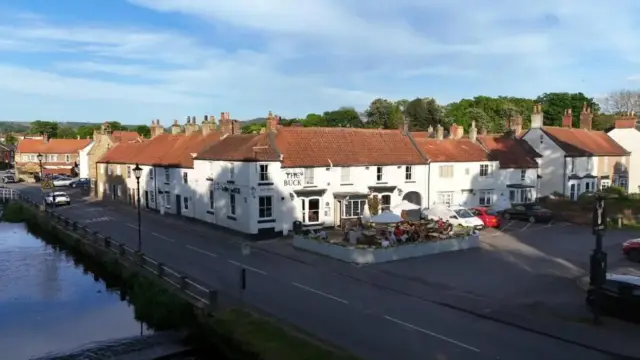
The Buck Hotel