عن Akhisar
Akhisar Details
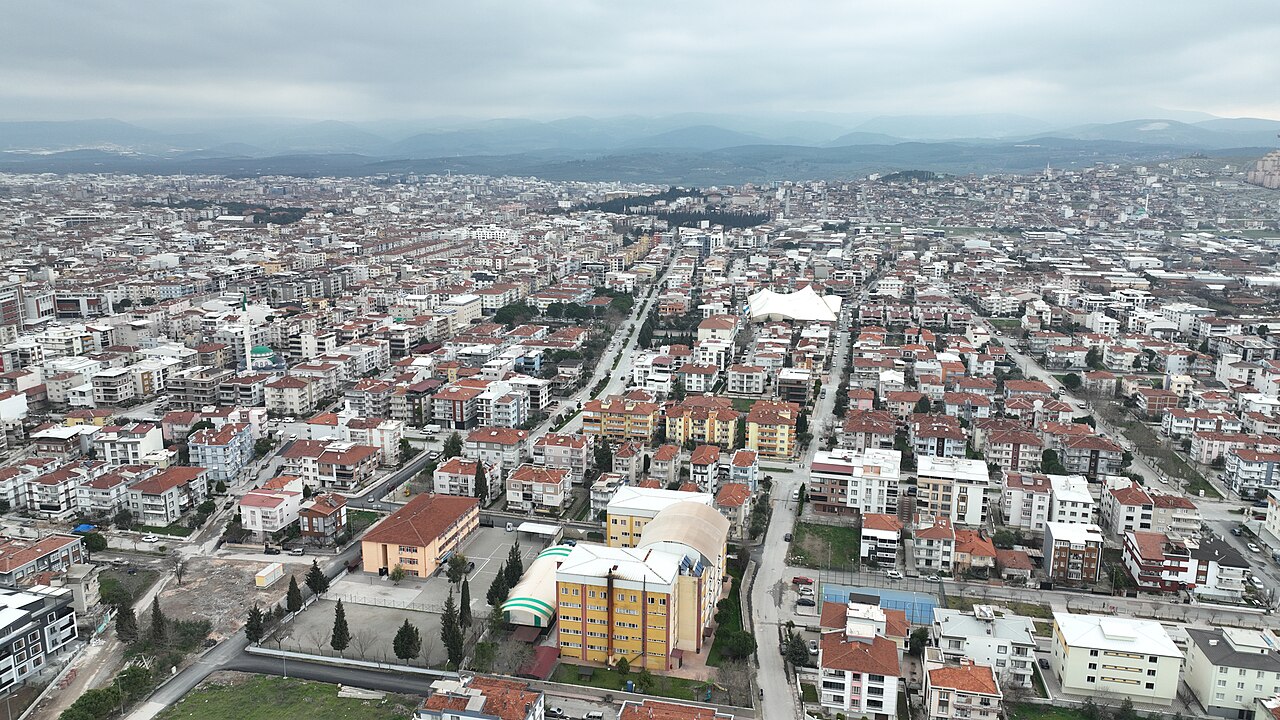
Akhisar is a district and municipality in Manisa Province, located in the Aegean region of western Turkey. The final coordinates for Akhisar sit near 38.65°N, 27.90°E, placing the town in a fertile valley that is nourished by the Gediz River. This setting has made Akhisar a long standing agricultural center, famous for olive groves, citrus orchards, and a robust market culture that blends rural life with the echoes of historic trade routes. The area forms a corridor between inland Anatolia and the Aegean coast, giving visitors a chance to experience both hillside villages and a bustling urban center. Akhisar is often considered a gateway town, easy to reach from major cities like Izmir and Manisa, while retaining a distinct local flavor that reflects centuries of agricultural practice and regional craft. The climate is typical of the Aegean belt, with hot, dry summers and mild, wet winters, making spring and autumn ideal for exploring the area on foot or by bike.
Administratively, Akhisar belongs to Manisa Province and serves as a district seat with its own local government. The town has a compact historic core, a lively bazaar, and surrounding rural neighborhoods where olive oil production, farming, and traditional crafts remain integral to daily life. The landscape is defined by the river valley, patchwork fields, and a backdrop of low hills that lend themselves to scenic drives and short hikes. With a long history dating back to ancient times, Akhisar has absorbed influences from many periods, including Ottoman and Seljuk eras, which can be seen in architecture, local cuisine, and rural traditions that persist in markets and tea houses today.
Holiday Recommendations in Akhisar
Holiday time in Akhisar offers a blend of outdoor leisure, cultural immersion, and culinary discovery. The best seasons to visit are late spring and early autumn when the weather is pleasant for walking, exploring, and sampling seasonal produce. A long weekend can be enough to enjoy the riverfront scenery, stroll through the old town streets, and visit local olive oil workshops. If you time your visit with an olive harvest festival or a local market day, you can taste fresh oils, olives, and bread produced in nearby villages. For travelers seeking a relaxed rural escape, plan a stay of three to five days to explore the countryside, picnic by the Gediz River, and enjoy evening conversations in traditional tea houses that dot the market squares.
Family-friendly itineraries work well here: mornings can be spent wandering a historic district filled with small mosques and old shops, afternoons in nearby olive groves or vineyards, and evenings savoring simple but flavorful Aegean dishes. For visitors who love photography, Akhisar’s light at dawn and dusk casts a warm glow over the river and the narrow streets, yielding memorable shots of everyday Turkish life. If your schedule allows, combine Akhisar with a day trip to nearby towns in Manisa Province to experience a broader spectrum of the Aegean hinterland while still returning to the quiet comforts of Akhisar’s market-lined core at night.
Why You Should Choose Akhisar
Akhisar offers a genuine, slow-paced Turkish experience that blends agriculture, history, and hospitality. Unlike some larger tourist hubs, Akhisar retains a sense of authenticity that welcomes visitors into its daily rhythms rather than presenting a curated spectacle. The town’s olive oil heritage provides a focal point for food lovers and cultural curious travelers alike. You can tour family-run olive oil mills where the scent of fresh oil fills the air, and you can taste oils that range from green, peppery young oils to smoother, fruitier varieties. This is a place where markets still feel like social hubs, where conversations with shopkeepers can reveal local recipes and traditions, and where you can observe rural life while enjoying the comforts of a welcoming guesthouse or small hotel.
For travelers interested in combining culture with nature, Akhisar delivers. The Gediz River valley offers scenic drives and gentle trails, and the surrounding countryside invites orchard walks, birdwatching, and photography. The area’s historic architecture, mosques, and inns provide a tangible link to the past, while the modern market scene shows how traditional crafts live on in contemporary life. And because Akhisar is part of the broader Manisa region, visitors can easily extend their trip to include other historic towns, temples, and natural reserves that characterize western Turkey.
Transportation and Travel Tips for Akhisar
Getting to Akhisar is straightforward for travelers arriving from major Turkish cities. The town is reachable by road from Izmir, Manisa, and Afyonkarahisar, with well-maintained highways linking the region. If you arrive by air, the closest international gateway is Izmir Adnan Menderes Airport, after which a road transfer or a domestic bus ride completes the journey to Akhisar. Public bus services run regularly from Izmir, Manisa, and Denizli, providing affordable options for travelers who prefer not to rent a car. Renting a car offers maximum flexibility for exploring Akhisar and its surrounding villages at your own pace, especially if you want to visit olive groves, small farms, or the countryside along the Gediz River.
Within the town, walking is the best way to absorb the atmosphere of the old bazaar and historic streets. Taxis are readily available, and ride-sharing options may be limited, so it is wise to confirm fares before starting a journey. If you plan to venture into rural areas or hillside villages, a rental vehicle is advisable. Consider pairing your visit with a local guide who can explain the agricultural heritage of the region, point out architectural details in the historic center, and introduce you to family-run workshops that produce olive oil and traditional foods. For travelers seeking a slower pace, bicycle rental is sometimes available in the town center and can offer a pleasant alternative to car travel during mild weather days.
Hotels and Accommodation Options in Akhisar
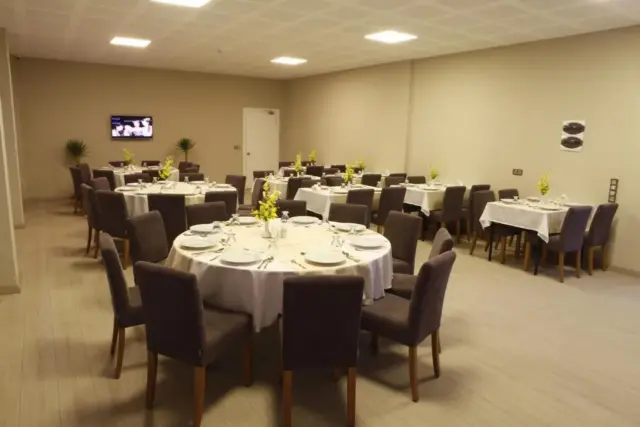
Akhisar provides a range of accommodation options, from small family-run guesthouses to mid-range hotels that capture the town’s intimate, welcoming character. A typical stay might include a base in a traditional inn converted into a boutique hotel with courtyard gardens, or a modern hotel that offers comfortable rooms, free Wi-Fi, and easy access to the market square. For travelers seeking a more immersive experience, look for guesthouses that arrange olive oil tastings, farm visits, and local cooking classes. Budget travelers will find clean, simple options that emphasize proximity to the bazaar and riverfront without sacrificing comfort. Families and longer-stay visitors can choose mid-range hotels with on-site dining, reliable breakfast buffets, and easy parking for day trips into the surrounding countryside.
When selecting a place to stay, focus on accessibility to the town center, proximity to olive oil mills or markets, and the availability of traditional Turkish breakfast. Some properties provide guided tours or arranged meals that highlight local ingredients, which is a plus for visitors who want to maximize their culinary experience. If you are visiting during the olive harvest season, consider reserving a stay in advance to secure a room at popular lodgings that may fill quickly due to seasonal demand.
Seasonal Changes in Hotel Prices in Akhisar
Like many regional destinations, Akhisar experiences seasonal fluctuations in hotel rates. Peak demand tends to occur in late spring and summer when domestic travelers and some international visitors come to enjoy warm weather, outdoor markets, and the olive harvest. During these periods, prices can rise, and rooms may book quickly, particularly on weekends and around local festivals. In contrast, the winter season typically sees lower occupancy and better last-minute deals, making it a good time for budget-conscious travelers to visit if their schedule allows. Shoulder seasons in spring and autumn offer a balance between comfortable weather and reasonable rates, making it a favorable time for long weekend trips or shorter stays to explore the markets, try olive oils, and enjoy the countryside without crowds.
Reasons to Stay at Hotels in Akhisar
Staying in Akhisar gives travelers direct access to the life of a traditional Aegean town. The reasons to choose a local hotel include proximity to the bazaar, historic mosques, and olive oil workshops, which makes daytime explorations easy and efficient. Many hotels are small and family-run, delivering personalized service and insight into local customs and hidden corners of the town. The town’s hospitality culture often translates into welcoming hosts who can tailor recommendations to your interests, whether you want to join a market day, visit a nearby olive mill, or try a home-cooked meal in a local home kitchen arranged through your host. Additionally, staying in Akhisar allows you to experience a quieter environment after sunset, with simple, authentic dining options and a safe, walkable center that is ideal for leisurely strolls.
Another advantage is the opportunity to sample olive oil directly from producers in nearby villages. Many guests appreciate the chance to learn about the pressing process, bottle aging, and the differences between extra virgin oils, often available for tasting right where the oil is produced. For visitors interested in rural life, a hotel that coordinates day trips to olive groves or small family farms can enrich the experience beyond the urban sights while supporting local communities.
Places to Visit and Sights to See in Akhisar
Akhisar offers a mix of historical architecture, bustling markets, and countryside scenery. The town center holds a network of narrow streets that lead to mosques, baths, caravanserais, and centuries-old houses. Walking the bazaar lanes provides a front-row seat to local life, with shopkeepers selling textiles, spices, and regional products. For visitors who appreciate religious architecture, several mosques in the area showcase classic Ottoman design and intricate tile work. While the city is smaller than the major tourist hubs, its heritage sites provide meaningful insight into everyday Ottoman and rural life in western Turkey.
Beyond the urban core, the surrounding countryside reveals olive groves and orchards, offering scenic day trips and easy hikes. The Gediz River valley is a natural backdrop for photography and picnics, with the chance to watch local fishermen or farmers at work. Visitors may also find small museums devoted to local crafts or agricultural practices, which offer a tactile sense of how families in the region have lived and worked for generations. The combination of market energy, river landscapes, and historic timber-framed houses creates a distinctive Akhisar experience that invites slow exploration and curiosity about the region’s past and present.
History of Akhisar and Historical Sites
The history of Akhisar is deeply layered, reflecting its position as a crossroads in western Anatolia. The town’s roots extend back to ancient civilizations in Lydia and Phrygia, followed by Roman and Byzantine rule, with later influence from Seljuk and Ottoman governance. Throughout the centuries, Akhisar acted as a local center for trade, agriculture, and religious life, leaving a legacy of traditional architecture, old inns, and mosques that endure in the modern city. The town’s historical core preserves the character of a market town where caravans once gathered, and where artisans and merchants traded goods in familiar rhythms that still echo in today’s daily life. While some structures have undergone restoration, others remain as evocative ruins or well-preserved buildings that tell the story of a community that has adapted to changing political and economic circumstances while maintaining its cultural identity.
Visitors to Akhisar can explore the exterior of mosques and older houses to observe architectural details typical of the region, including stonework, wooden balconies, and tiled interiors. Local guides often share anecdotes about the town’s past, including how agriculture, especially olive cultivation, shaped the local economy and social life. For those with an interest in history, nearby villages and smaller sites offer additional context about farming techniques, trade networks, and the daily routines of generations of families who lived off the land and the river that nourishes it.
Tourist Attractions and Activities in Akhisar
In Akhisar, tourist activities center on immersion in local life, pastry-like market snacks, and the sensory experiences of olive oil culture. A classic day might begin with a stroll through the central market, where you can observe bargaining, sample olives, and purchase regional products such as olives, honey, cheeses, and breads. You may also find small, family-run food workshops demonstrating traditional recipes using local ingredients. For architecture lovers, a walk through the historic core reveals centuries-old houses, small mosques, and a town square that hosts seasonal events and gatherings. Photography enthusiasts will enjoy the play of light on the river, the texture of old walls, and the bustle of market life.
Outdoor lovers can arrange short day trips to nearby rural landscapes where olive groves stretch to the horizon. The river valley provides opportunities for relaxing picnics, birdwatching, and leisurely walks along gentle paths. Seasonal fruit orchards add color during harvest times, presenting a living picture of agricultural cycles. Visitors who appreciate culinary experiences should seek out olive oil mills, where guided tastings show how oil is pressed, bottled, and aged, with opportunities to purchase high-quality oils as souvenirs.
Things to Do in Akhisar
There is a satisfying mix of activities that suits different travel styles. Visitors can spend mornings exploring the market lanes, sampling fresh olives and bread, and learning about olive oil production from local producers. Afternoons may include a slow stroll along the Gediz River, a visit to a crafts-focused workshop, or a ride to nearby villages to observe rural life and enjoy scenic vistas. For those who love food and cooking, participating in a short cooking class or a culinary tour that features local ingredients provides a tasty way to understand regional flavors. Evening options range from quiet dinners at traditional eateries to casual cafes where locals unwind after a day of work. The town’s intimate scale makes it easy to savor each moment without the pressures of a larger tourist corridor.
Other enjoyable pursuits include attending local markets and seasonal festivals, which highlight products such as olives, olive oil, honey, and dairy. If you are interested in religious and cultural history, visit mosques and smaller historic structures that illustrate the architectural style and community life of Akhisar across centuries. For outdoor enthusiasts, a short drive into the surrounding hills reveals olive trees, rural homesteads, and scenic lanes ideal for cycling or a gentle hike. Akhisar is a place where every corner has a story, inviting travelers to slow down and really observe the rhythms of daily life.
Local Foods and Drinks in Akhisar
One of the greatest pleasures of a visit to Akhisar is discovering its olive oil heritage. Local oils are celebrated for their robust flavor, vibrant color, and aromatic profile. Many markets offer tastings, and you can purchase oils with notes that range from peppery and bright to mellow and fruity. Olives themselves are a major feature, often brined with regional herbs and served with bread as a simple, satisfying snack. In addition to olives and oil, the region produces a variety of cheeses, honey, fresh bread, and seasonal fruits that pair beautifully with the oils. When it comes to prepared dishes, expect Aegean-inspired flavors—slightly tangy, herb-forward, and generous with olive oil. Grilled fish and vegetables cooked in olive oil, slow-cooked meats, and tomato-based stews are common comforting choices in local eateries, accompanied by Turkish tea and sometimes ayran, a salty yogurt drink that pairs well with meals.
As you explore, keep an eye out for small family-run pastry shops offering local sweets that use olive oil, nuts, and dried fruits. A coffee or tea break in a traditional teahouse is a lovely way to observe daily life and conversation in Akhisar, with soft lighting, tiled walls, and a welcoming host who will be happy to share stories about the town’s culinary traditions.
Restaurants and Dining Venues in Akhisar
Akhisar’s dining scene emphasizes the local harvest and simple, flavorful preparations. Expect to find traditional Turkish eateries that serve mezze-style bowls, warm breads, and seasonal dishes. In many places, olive oil is a central ingredient, featuring prominently in salads, dips, and cooked dishes. For a casual meal, look for fish or meat skewers, freshly baked breads, and vegetable stews that capture the essence of Aegean comfort food. If you have access to a local olive oil producer, you may also encounter special tasting menus that pair oils with regional breads and cheeses for a guided tasting experience. Many restaurants offer Turkish coffee or tea as part of the meal, and friendly staff can provide recommendations on dishes that showcase the best of local ingredients.
For a more contemporary twist, some establishments blend traditional techniques with modern presentation, offering lighter, seasonal dishes that highlight the town’s produce. Vegetarian and vegan options are increasingly available in central restaurants, reflecting a broader shift toward plant-forward meals in Turkish regional cuisine. Dining in Akhisar is as much about the social experience as it is about taste; joining locals in busy hours at the market-adjacent eateries provides a true sense of the area’s hospitality and culinary culture.
Nightlife in Akhisar
Nightlife in Akhisar tends toward low-key, community-oriented spaces rather than high-energy clubs. The town’s evenings are often spent at neighborhood teahouses, cafes, or small restaurants where conversations linger into the night. For travelers seeking a relaxed ambiance, this is ideal for meeting locals, sharing travel stories, and enjoying mild conversations. Some venues offer live music or simple performances on weekends, creating a sense of festive community without overwhelming crowds. It is common to see families and friends gathering in outdoor seating areas, listening to music, and appreciating the quiet rhythm of the town after sunset. If you crave more vibrant nightlife, a short drive to larger nearby cities like Izmir offers a broader spectrum of bars and nightlife options, but you may miss the intimate charm of Akhisar’s own after-dark atmosphere.
Regional Economy in Akhisar
The regional economy of Akhisar is anchored in agriculture, with olive oil production playing a prominent role. The area hosts olive groves and processing facilities that contribute to local livelihoods and export opportunities alike. In addition to olives, farming of citrus fruits, grains, and vegetables supports the rural economy and provides inputs for local markets, restaurants, and mills. The town’s markets function as important outlets for regional products, and small-scale crafts—such as textiles, woodwork, and pottery—also contribute to economic activity. As a gateway to the rural hinterland, Akhisar benefits from nearby villages that supply produce and artisanal goods, reinforcing a robust, community-based economy that combines traditional livelihoods with modern retail and tourism opportunities.
Tourism itself represents a growing segment, with visitors drawn to the olive oil heritage, historic streets, and scenic river valley. Visitors contribute to the local economy through accommodation, guided experiences, and purchases of regional foods and crafts. The economic mix in Akhisar reflects a balance between preserving traditional farming and welcoming modern travelers who seek authentic experiences in western Turkey.
Safety in Akhisar
Akhisar is generally considered safe for travelers. As with many small to mid-sized Turkish towns, common-sense safety practices—keeping valuables secure in crowded markets, staying aware of surroundings in the evenings, and using licensed transportation—are sufficient for most visits. The town has a respectful, hospitable atmosphere, and local police presence and community watch programs contribute to a sense of security in tourist areas. It is recommended to follow local guidance during religious or public holidays when crowds can increase, and to keep updated on any travel advisories from your home country before departure. If you are staying in smaller guesthouses or rural accommodation, ask your host for guidance on safe neighborhoods, time recommendations for walking in the evening, and tips on the best routes for day trips.
Socio-Economic Structure in Akhisar
The socio-economic fabric of Akhisar reflects a blend of rural and urban life. Farming households, family-owned farms, and small-scale producers coexist with modest urban services, guesthouses, and small shops in the town center. The economy benefits from markets that connect producers with consumers, and from agricultural tourism initiatives that invite visitors to learn about olive oil production and regional foods. Education and healthcare infrastructure in the district support both residents and seasonal workers who contribute to agricultural cycles. The social dynamics are characterized by strong community networks, generational knowledge about farming practices, and a tradition of hospitality that remains central to the visitor experience. Visitors who engage with local families, artisans, and market vendors gain a deeper understanding of the region’s resilience and its ability to adapt to changing economic circumstances while preserving cultural identity.
Cultural Differences That May Surprise Tourists in Akhisar
Visitors to Akhisar may notice cultural differences that are both charming and practical. The pace of life in the town can feel slower than in big cities, with a strong emphasis on family, neighborly ties, and community spaces such as teahouses and markets. Bargaining in markets is common, but the negotiation is usually friendly and in good humor; approaching conversations with patience and a smile often yields the best experiences. Tea culture is pervasive—most people will invite you to sit, drink tea, and chat, which can be a wonderful way to learn about local customs and daily life. Dress modestly in religious or more conservative settings, especially around mosques and during prayer times, and be mindful of local customs during religious holidays when businesses may observe different hours and schedules.
Language can be a barrier for some travelers, but many locals in Akhisar speak Turkish, with some English speakers in tourist-oriented venues. A few phrases in Turkish, such as greetings and thanks, go a long way toward building rapport. Respect for local food and agriculture is also valued; asking for permission before photographing people or private property demonstrates courtesy and fosters positive interactions. Finally, travelers should understand that Akhisar’s tourism is oriented toward authentic experiences, not mass entertainment; approaching each encounter with curiosity and respect will help visitors build meaningful connections and leave with a richer sense of the region’s culture.