Pembrokeshire DetailsPembrokeshire is a breathtaking coastal county in the southwest of Wales, United Kingdom. It curves along the Celtic Sea and the Irish Sea, forming a dramatic peninsula whose coastline is among the most scenic in Britain. The county town is Haverfordwest, a historic market town serving as a practical base for exploring the region. Pembrokeshire is renowned for the Pembrokeshire Coast National Park, which protects roughly 186 miles (299 kilometers) of coastline, beaches, cliffs and tidal seas. In this corner of Wales you will find a combination of rugged natural beauty, medieval ruins, vibrant seaside towns, and tranquil rural landscapes. The area is home to Britain’s smallest city, St Davids, which sits at the tip of the peninsula and offers its own distinct sense of pace and sacred history. The coastal villages of Tenby, Saundersfoot, and Pembroke offer family friendly charm, while the marcher towns of Fishguard and Narberth showcase Welsh culture and food at its best. The coordinates provided for reference, 51.7565 N and -4.6641 W, place you near the western edge of Pembrokeshire, where ferry routes, coastal paths and wildlife begin their story. The corrected geographic footprint stretches from Milford Haven in the southeast to St Davids in the northwest and from the offshore Caldey Island to the Estuary of the River Teifi, revealing a region that blends maritime history with rural life. Visitors often compare Pembrokeshire to other Welsh coastal regions, but the county’s unique combination of nature reserves, castles and coastal towns ensures a distinct and memorable experience for every traveler. Holiday Recommendations in PembrokeshirePembrokeshire is ideally explored with a mix of outdoor adventures, beach days, and historic discoveries. A well paced holiday could begin in Tenby, one of the most iconic seaside towns, with a day spent walking the town walls, riding a merry-go-round, exploring the harbor, and enjoying fresh seafood along The Esplanade. From Tenby, a short boat ride to Caldey Island offers monastery silence, fragrant gorse, and white limestone cliffs. A day trip to St Davids is essential for history lovers and church enthusiasts; its magnificent cathedral and the Bishop’s Palace make for a quiet, spiritual retreat. For wildlife lovers, Skomer Island is a must, with puffins, guillemots and seals during certain seasons. A family favorite is Folly Farm in Fforestfawr near Begelly, where rides and animal shows complement the easy strolls along country lanes. If you crave serene landscapes and golden beaches, Pembrokeshire’s National Park and the beaches around Barafundle, Manorbier and Freshwater West deliver postcard-perfect coastlines. A slow travel approach works best here: take domestic trains or buses between towns, then hop into a smaller ferry or boat to islands and hidden coves. The peak summer months bring longer days, music festivals and a buzzing seaside atmosphere, while spring and autumn offer cooler hiking days with fewer crowds but equally dramatic skies. Winter delivers dramatic seascapes and storm watching opportunities, though some coastal paths may be more challenging. In all seasons Pembrokeshire reveals new colors, from slate grey seas to lemony sands and emerald fields, and its friendly towns invite you to linger longer than planned. Why You Should Choose PembrokeshirePembrokeshire offers a rare blend of rugged coast, medieval history, and accessible nature. The Pembrokeshire Coast National Park protects a coastline that reads like a living atlas of cliffs, sea stacks, caves, and sheltered coves. The area has been shaped by centuries of seafaring, farming and trade, which means every town has a story to tell—from the Norman castles guarding river mouths to the monastic lanes around St Davids. The beauty of Pembrokeshire lies not only in its scenery but in its balance: you can spend a day paddling along calm estuaries and the next wandering among ancient battlements high on limestone headlands. The region’s towns also offer excellent value for accommodation, food experiences and family-friendly activities. Whether you are after dramatic coastal walks, gentle cycles along the coast, or literary and culinary culture, Pembrokeshire presents a coherent and unforgettable travel experience. The Welsh language and culture are palpable in many communities, adding a layer of authenticity for visitors seeking to understand rural Wales beyond the English adoption of coastal towns. Transportation and Travel Tips for PembrokeshireGetting to Pembrokeshire is straightforward for travelers from the United Kingdom and beyond. The nearest major city is Swansea, which provides rail and road connections to the Pembrokeshire towns. From Swansea or Cardiff, you can drive or take a coach to Tenby, Pembroke, Haverfordwest, or St Davids via scenic A routes that hug the coastline or pass through rural landscapes. For rail enthusiasts, occasional services run toward Pembroke and Haverfordwest, with more frequent connections at larger hubs like Carmarthen or Swansea, followed by local bus or taxi rides. If you are traveling by air, the closest international gateway is Cardiff Airport, with onward rail or car journeys to Pembrokeshire. For island visits, Caldey Island near Tenby is accessible by boat from Tenby or nearby locations; Skomer Island operates seasonal boat services from Martin’s Haven and adjacent harbors, typically during late spring through late summer, so plan accordingly and check tide times. Within Pembrokeshire, the best way to explore is by car for flexibility, or by public buses that connect major towns, with walking and cycling often the most enjoyable ways to absorb the coastline. The Pembrokeshire Coast Path is a national treasure for hikers, offering a long distance route that punctuates cliff faces with boat-filled coves and panoramic sea views. If you are renting, choose a base near the coast or in Narberth or St Davids for easy day trips. Always pack layers, as coastal weather can change rapidly, and bring waterproof footwear for beach and cliff walks. Local tipping culture is modest and service-focused; dining and accommodations are often family-run, and guesthouses may include breakfast. Learn a few Welsh phrases to enrich your journey, as many residents appreciate the effort, even if English is widely spoken. In any case, Pembrokeshire is easier to navigate than many expect and offers a friendly pace that makes travel feel rewarding rather than rushed. Hotels and Accommodation Options in PembrokeshirePembrokeshire provides a wide spectrum of places to stay, from intimate guesthouses and coastal inns to boutique hotels and family-friendly resorts. Tenby and Saundersfoot are famous for their seaside charm and a range of hotel options, including Victorian houses turned into boutique stays, family-run inns near the harbor, and modern hotels with sea views. Pembroke, with its medieval heritage and tranquil countryside access, offers historic inns and comfortable guesthouse accommodations, perfect for travelers who want to immerse themselves in castle country. St Davids, the region’s pilgrimage town, hosts cozy boutique hotels and guesthouses in and around the cathedral core, providing a serene base for exploring the surrounding landscapes and ancient ruins. Narberth offers a different vibe—a foodie town with elegant boutique hotels and stylish bed and breakfasts set in the Pembrokeshire countryside. For those seeking a luxury stay, there are upscale seafront hotels along the coast near Tenby and Saundersfoot, and rural country houses inland that combine rustic charm with modern amenities. Family-friendly options abound, including holiday parks, caravan sites and self-catering cottages with kitchen spaces, all designed to accommodate groups and wider families. When booking, consider proximity to the Pembrokeshire Coast Path, Caldey Island departures, or the castles of Pembroke and Carew, because each location provides different scenic experiences, dining opportunities and access to day trips. Budget travelers will find excellent value in Narberth and Haverfordwest, where traditional Welsh hospitality and locally sourced food create memorable short stays without sacrificing quality. Regardless of style, Pembrokeshire’s accommodations typically emphasize comfort, cleanliness and proximity to the coast, with many properties offering sea views, breakfast options and easy access to outdoor activities. Seasonal Changes in Hotel Prices in PembrokeshireSeasonal pricing in Pembrokeshire tracks the rhythm of the coast. The peak season runs from late spring through the high summer months of July and August when schools are out and families flock to the beaches, resulting in higher room rates and more limited availability. Prices may rise further during bank holidays and major event weekends in towns like Tenby and St Davids. Shoulder seasons, including late spring and early autumn, can offer more favorable prices and fewer crowds, while still delivering many outdoor opportunities such as coastal walks and wildlife watching. Winter stays in Pembrokeshire are characterful, particularly for those seeking quiet forests, storm-watching sea views, and cozy fireside evenings in hospitality venues that promote Welsh hospitality, but rates are typically lower and availability easier to secure. When planning a trip, browsing multiple booking platforms and contacting accommodations directly can reveal special offers, package deals, or local experiences that might not be visible on larger sites. Booking ahead for high season is advisable, especially in Tenby, St Davids and Caldey Island excursion windows, but creative itineraries that include a mix of seaside towns and inland experiences can still deliver good value. Flexible dates often yield savings, and staying a little inland—such as Narberth or Haverfordwest—can lower costs while keeping access to the principal coast within a short drive. Even during peak times, Pembrokeshire maintains value by matching activities and experiences to different budgets across its towns and countryside, ensuring a high-quality holiday without excessive costs. Reasons to Stay at Hotels in PembrokeshireStaying in Pembrokeshire offers distinct advantages: proximity to beaches, accessibility to historic sites, and a sense of quiet that is hard to find in more urban destinations. Hotels in Tenby and Saundersfoot provide front-row access to long stretches of sand, harbor-side dining and family-friendly entertainment, while boutique properties around Narberth and Haverfordwest offer a chance to savor modern comforts alongside traditional Welsh hospitality. In St Davids, hotels and guesthouses emphasize a spiritual and historic atmosphere, often nestled near the cathedral or within the island’s tranquil lanes. For hikers and nature lovers, staying near the Pembrokeshire Coast Path means you can wake up to the sound of waves and begin long, rewarding days of coastal walking with minimal time lost to transit. These properties frequently feature sea views, easy access to coastal routes, and amenities tailored to travelers who want to experience Pembrokeshire at a relaxed pace—whether that means slow mornings with a Welsh breakfast or late evenings watching the sunset over the water. Families appreciate seafront locations with easy beach access, while couples may prefer intimate guesthouses in the countryside that offer privacy and a high standard of service. Food lovers can enjoy hotels that include on-site dining with locally sourced seafood and Welsh specialties, as part of an immersive Pembrokeshire experience. The combination of scenic settings, reliable Welsh hospitality and access to both beach-based and cultural activities makes Pembrokeshire hotels a compelling option for a memorable break. Places to Visit and Sights to See in PembrokeshirePembrokeshire is home to a treasure chest of landmarks. Pembroke Castle, a cylindrical fortress perched above the River Cleddau, is one of the most impressive medieval strongholds in Britain and offers a tangible link to the area’s Norman past. Carew Castle and Tidal Mill present a picturesque pair of water-based structures, with ancient walls, artillery batteries and a working wharf. The town of Tenby contains a fourteenth-century town wall, a soft sandy beach, and Victorian architecture, while the coastal path reveals dramatic sea views around every bend. St Davids Cathedral dominates the landscape of its small city and stands as a powerful symbol of medieval devotion in Wales. Caldey Island, with its monks and wildlife reserves, is a quick boat ride away and provides a serene escape from the mainland. The historic ruins of Narberth Castle and the countryside around Mwnt Church offer additional layers of Pembrokeshire charm. The不可 ignore the coastal villages of Saundersfoot and Amroth, where scenic piers, child-friendly beaches and local markets give a sense of the everyday life of Pembrokeshire. The offshore island of Skomer is a wildlife haven for puffins and seabirds during the right seasons, and boat trips to the island are a highlight for many visitors. For maritime enthusiasts, the Milford Haven Waterway provides scenic harbor views and a glimpse into the area’s fishing and shipping heritage. Each destination offers its own story, from battlefield echoes to tranquil monastic quiet, and every visit adds another thread to the larger tapestry of Pembrokeshire’s coastal culture. History of Pembrokeshire and Historical SitesPembrokeshire’s history is written in its stones and sea walls. The county’s story begins with prehistoric settlers and continues through the Bronze Age and Roman era before reaching the medieval period, when stone castles were built to guard river mouths and coastal routes. Pembroke Castle is a celebrated relic from the Norman era, famously associated with William Marshal, the 1st Earl of Pembroke, and later with the English Civil War era. Carew Castle, with its riverside setting and water mill, reflects centuries of noble lineage and maritime trade. St Davids grew to prominence in early Christian Wales, and the cathedral’s continuous presence since the 6th century shaped the religious and political landscape of the region. The Welsh Marches and maritime routes left their mark on Pembrokeshire, from fortified towns to monastic precincts and rustic farmsteads. The coastline itself recorded the region’s changing relationships with sea power, trade and defense. Exploring castles, abbeys, and old parish churches reveals layers of Welsh culture, language and identity that persist in contemporary Pembrokeshire life. The history is not just about grand monuments; it is also about the everyday lives of fishermen, farmers and artisans whose stories contribute to a living heritage that remains highly relevant for visitors seeking context and meaning in their travels. Tourist Attractions and Activities in PembrokeshireAcross Pembrokeshire there is a diverse range of activities for all ages. Outdoor enthusiasts can conquer the Pembrokeshire Coast Path, a long-distance route that winds along cliff tops, through coves and past fields of wildflowers. Water sports are abundant along the coast, with opportunities for kayaking, paddleboarding and surfing at several beaches. Wildlife lovers may take boat trips to Skomer or Skokholm islands to see puffins, guillemots and shearwaters in season. Caldey Island is both a sanctuary and an accessible adventure, offering a mix of spiritual ambiance, nature walks and wildlife spotting. For history fans, the castles at Pembroke, Carew and Haverfordwest offer a tangible link to the region’s past. Towns such as Tenby and St Davids host museums, galleries and local markets that celebrate Welsh crafts, food and music. The culinary scene emphasizes seafood and farm-to-table produce, with options ranging from fish suppers along harbor fronts to refined multi-course meals at boutique hotels. Festivals, fairs and seasonal markets appear throughout the year, with coastal towns often hosting events that celebrate maritime heritage, local arts and traditional Welsh music. Visitors can also explore the intertidal zones and cliffs near Strumble Head, a dramatic cape that offers waves, seabirds and breathtaking panoramas. Pembrokeshire’s activities are designed to accommodate different energy levels, from gentle coastal strolls to full day adventures, ensuring every traveler finds something that resonates with their interests. Things to Do in PembrokeshireThe options are abundant in Pembrokeshire. A day spent walking the Pembrokeshire Coast Path reveals dramatic sea views and the rhythm of the Atlantic. Beach lovers can enjoy long sands at Barafundle, Broad Haven, Freshwater West and Tenby beaches, where sunbathing, swimming and shell collecting can be enjoyed in good weather. History buffs might allocate time to Pembroke Castle and Carew Castle, taking guided tours to learn about medieval defense and court life. Wildlife lovers should not miss Skomer Island or the coastal wildlife reserves along the coast, with birdwatching and seasonal wildlife spotting as highlights. Families can explore Folly Farm in the countryside near Kilgetty, with rides, animals and interactive exhibits. Cultural experiences include visiting local markets in Narberth and St Davids, where you can sample Welsh specialties and meet artisans. Outdoor enthusiasts can book sea kayaking trips, coasteering experiences or boat tours to the offshore islands. For a more relaxed itinerary, consider a scenic drive along the coastal road with photo stops at dramatic headlands, remote beaches and historic ruins, finishing with a seafood dinner in a harbor town. Pembrokeshire invites you to slow down, breathe in the sea air, and savor the sense of place that makes this part of Wales so special. Local Foods and Drinks in PembrokeshirePembrokeshire’s food scene blends coastal abundance with rural farming traditions. Fresh seafood is a staple along the coast, with hake, cod and shellfish featured in many menus. Local specialties include Pembrokeshire lobster, crab and locally caught fish, sometimes served simply with lemon and herbs to highlight flavors. Farm shops around Narberth and Haverfordwest offer pastries, cheeses, breads and preserves produced by nearby farms. You may encounter Welsh cakes, scones, and traditional teacakes at village bakeries, paired with fine Welsh tea. Cider and local ales reflect the county’s craft beverage culture, while blackberries and berries from hedgerows create seasonal desserts. Cheeses from nearby dairy farms complement the coastal diet, including soft and hard varieties that pair well with a pint or a glass of cider. Pembrokeshire’s culinary scene also celebrates locally grown vegetables and herbs, producing a bright, fresh flavor profile in both casual eateries and fine dining. The best way to experience Pembrokeshire food is to explore markets, village pubs and seaside restaurants where the ingredients are sourced locally and the hospitality feels unmistakably Welsh. Whatever your palate, Pembrokeshire offers a diverse and flavorful journey that makes the region a favorite for gourmets and casual diners alike. Restaurants and Dining Venues in PembrokeshireFrom harbor-side eateries to fine dining rooms, Pembrokeshire provides a range of dining experiences. In Tenby, you can find seafood restaurants that specialize in grilled fish and seafood platters, paired with Welsh wines and local ciders. Saundersfoot and the surrounding coast host family-run bistros with casual menus and views of the water. St Davids offers smaller, intimate restaurants that highlight seasonal ingredients and locally produced produce, often with a sense of quiet refinement that suits visitors seeking a slower pace. Narberth is known for its independent restaurants and gastropubs where you can enjoy inventive menus built around Welsh ingredients. Casual options, including fish and chip shops and tea rooms, provide approachable meals during day trips. When planning meals around Pembrokeshire activities, consider scheduling lunch with a sea view after a morning at the coast and a visit to a nearby market or craft shop. If you enjoy fine dining, book in advance for popular venues that emphasize sustainable seafood and locally sourced ingredients. The dining scene across Pembrokeshire reflects its coastal geography and rural roots, offering something for every budget while maintaining a strong sense of place. Nightlife in PembrokeshireNightlife in Pembrokeshire tends to be relaxed and family-friendly, with a focus on pubs, wine bars, and small clubs in larger towns. Tenby features several lively pubs and a couple of late-night venues along the harbor, where you can enjoy live music, traditional sing-alongs and seasonal events. Saundersfoot has a more tranquil evening atmosphere, with seaside inns and cocktails in casual settings. Haverfordwest offers a broader range of options including bars, pubs and clubs that stay open into the later hours, particularly on weekends. St Davids, with its serene character, leans toward quiet evenings in historic inns and small music events rather than a large nightlife scene. For those seeking a more energetic scene, a day trip to Swansea or Cardiff can extend the evening with contemporary clubs, live music venues, and larger cultural events, before returning to Pembrokeshire for a comfortable night’s rest. The key is to balance sea air and outdoor activities with evening social time, as Pembrokeshire’s nightlife tends to be more about convivial dinners, coastal pubs and live acoustic performances than heavy clubbing. Regional Economy in PembrokeshirePembrokeshire’s economy rests on a mix of tourism, agriculture, fishing and light industry. Tourism is the backbone during the warmer months, with visitors drawn to the coast, castles and nature reserves. The hospitality sector—hotels, guesthouses, cafes and restaurants—employs many residents and supports local producers across the county. Agriculture remains vital, with dairy farming, sheep farming and crops that sustain rural communities and farmers markets. Small-scale industries and ports around Milford Haven contribute to energy and maritime trades, while creative sectors such as crafts, galleries and food producers add cultural and economic value. The proximity to major Welsh cities means Pembrokeshire benefits from regional supply chains and the exchange of goods and services with urban centers. In recent years Pembrokeshire has pursued sustainable tourism initiatives, promoting responsible travel and protecting the coast and countryside while supporting business growth. The regional economy thus blends tradition with modernity, ensuring sustainable livelihoods for residents and a compelling experience for visitors who contribute to the local economy through accommodation, dining and activities. Safety in PembrokeshirePembrokeshire is widely regarded as a safe destination for travelers. Standard precautions apply: watch your belongings on busy beaches and in popular towns, follow signage near cliffs and coastal paths, and respect wildlife during excursions to islands and reserves. Sea conditions can change quickly, so always check local weather and tide forecasts before embarking on boat trips to Caldey Island or Skomer Island. If you are exploring remote coastal areas, carry a map or a charged phone and let someone know your route and estimated return time. Local communities are known for their friendliness and helpfulness, and tourist information centers can provide maps, safety advice and current event information. When staying in Pembrokeshire during winter storms or autumn gales, be mindful of potential weather disruptions along the coast. Overall, Pembrokeshire’s safety profile is favorable, but as with any travel in natural landscapes, prudent planning and situational awareness will help ensure a trouble-free experience. Socio-Economic Structure in PembrokeshirePembrokeshire embodies a rural economy with a strong emphasis on community life and local enterprise. Many residents work in tourism and hospitality, agriculture, fishing and small-scale manufacturing. The county features a number of market towns where local producers sell cheese, preserves, crafts and agricultural goods, strengthening the sense of place and supporting the regional economy. The social fabric emphasizes family-run businesses, local traditions and community events that reinforce intergenerational ties. Investment in cultural and heritage sites helps sustain tourism while preserving the unique landscape and language of the area. The social structure also includes coastal communities with a mix of fishing villages and modern residential areas, creating a diverse demographic. The county’s approach to development seeks to balance growth with ecological stewardship, ensuring that Pembrokeshire remains a highly livable place for residents, while offering a rich and authentic experience for visitors who contribute to the economy through travel and tourism purchases. Cultural Differences That May Surprise Tourists in PembrokeshireVisitors to Pembrokeshire may notice a stronger presence of Welsh language and culture than in many other parts of the United Kingdom. While English is widely spoken, signs in Welsh and English are common, and some local place names reveal the island of Welsh language influence. Pubs and eateries often celebrate local traditions with Welsh songs and community events, adding a warm, welcoming atmosphere that may be new to some travelers. The pace of life in coastal towns can feel slower than in large cities, with a strong emphasis on hospitality, family-run businesses and long-standing seasonal rhythms tied to fishing and farming calendars. You may encounter bilingual staff, learn about local legends from shopkeepers, or discover regional recipes steeped in centuries of practice. The difference in language, architecture, and social norms can be a refreshing change, inviting visitors to engage with residents and learn about Welsh heritage through everyday experiences rather than through curated attractions. Embracing these cultural differences—such as a willingness to try Welsh dishes, greet locals kindly, and respect seaside etiquette—will enrich the travel experience and help you connect with Pembrokeshire on a deeper level.
أسعار الفنادق في Pembrokeshire
اختر تواريخك وقارن أسعار الغرف المحدّثة في 3 من الفنادق.
الأعلى تقييمًا
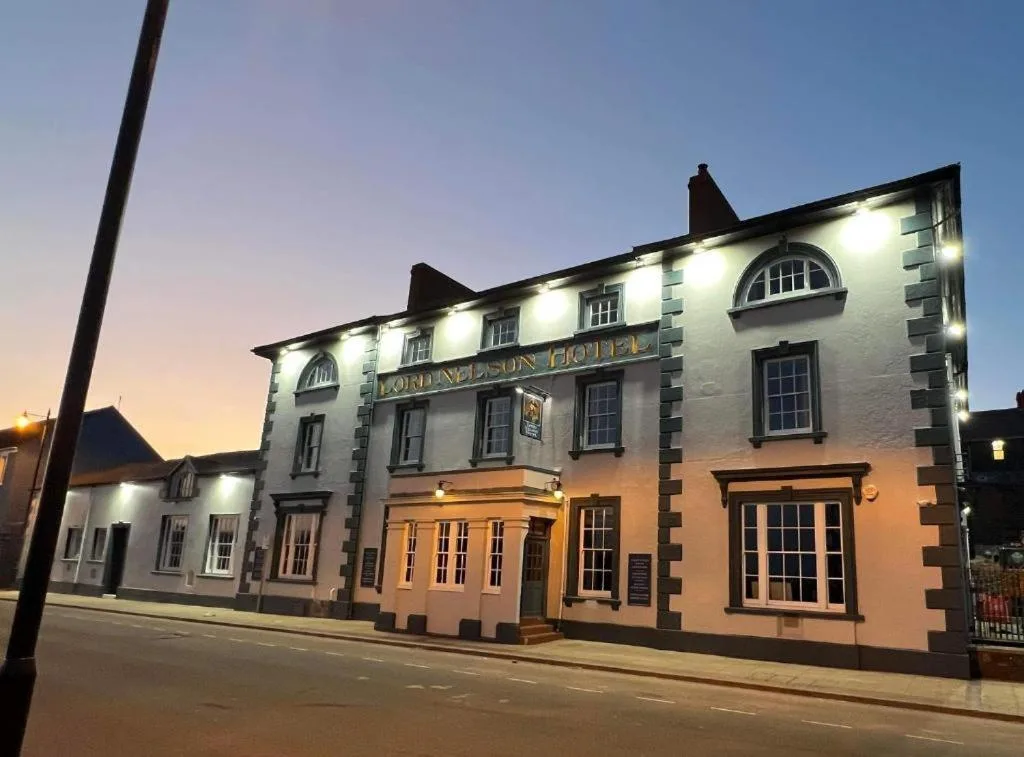
THE LORD NELSON HOTEL
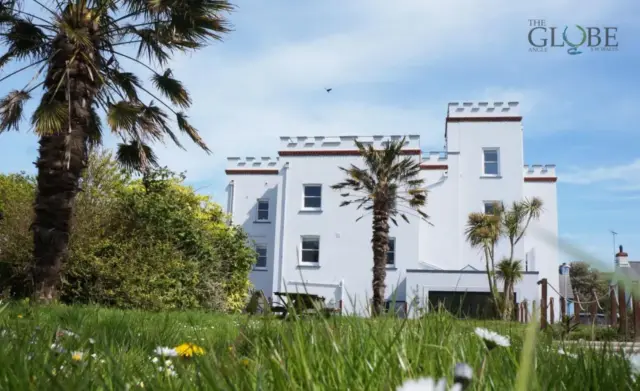
The Globe Angle