Chinley Details
Chinley is a picturesque village and civil parish in the High Peak district of Derbyshire, England. Nestled at the southern edge of the Peak District National Park, it sits among rolling limestone hills, moorland, and green valleys that invite exploration on foot or by bike. The area belongs to the county of Derbyshire, in the East Midlands region, and is part of the wider Peak District’s rural tapestry. The coordinates 53.33954, -1.94279 place Chinley within easy reach of the towns of Buxton and Chapel-en-le-Frith, and not far from Manchester and Sheffield by road. Traditional stone cottages, farm buildings, and low-traffic lanes define the village center, while surrounding trails open access to some of England’s most iconic landscapes. Chinley’s history is entwined with agriculture, quarrying, and the settlement patterns typical of Derbyshire villages shaped by the industrial era and later conservation.
أسعار الفنادق في Chinley
اختر تواريخك وقارن أسعار الغرف المحدّثة في 2 من الفنادق.
الأعلى تقييمًا
أفضل الأسعار
Holiday Recommendations in Chinley
Chinley makes an ideal base for a Peak District short break. For a relaxed start, spend a day wandering the village lanes, chatting with locals in a cozy pub, and sampling Derbyshire oatcakes at a village café. The following day, stretch your legs with a walk to Kinder Scout via the moors and the Pennine Way; prepare for upland scenery, boggy moor, and expansive views. On the third day, drive to nearby Buxton to visit the elegant Pavilion Gardens, the Georgian Buxton Opera House, and Poole’s Cavern; combine this with a scenic drive into the Hope Valley or to Bakewell to see the River Wye and limestone dales. Evening options include countryside inns offering hearty meals and local ales. If you’re visiting in spring or early autumn, plan nature-watching sessions to spot birds and wildflowers.
Why You Should Choose Chinley
Choosing Chinley means choosing a quiet escape with ready access to bigger Peak District experiences. The village sits within a landscape of stone walls, hedgerows, and winding lanes that reward walkers, cyclists, and photographers. Proximity to Buxton, Chapel-en-le-Frith, and Glossop means day trips to historic houses, spa towns, and markets are simple without staying in busy city centers. Chinley is ideal for travelers seeking authentic rural England — a place to slow down, connect with nature, and use the Peak District as an outdoor playground, while returning to a peaceful village atmosphere at night. For families, couples, or solo travelers who value scenery, small-scale hospitality, and a sense of local character, Chinley offers a compelling base.
Transportation and Travel Tips for Chinley
Chinley’s best access is by car, with road links from the A6 and A57 that connect to Buxton, Stockport, and Manchester. Public transport is available but limited in the village itself; rail passengers typically alight at Buxton or New Mills Central and complete the journey by bus or taxi. If you prefer to stay off the main roads, consider a base in nearby towns such as Chapel-en-le-Frith or Glossop, where frequent bus routes head into the High Peak countryside. For walkers and cyclists, a good plan is to park in Chinley and use the footpaths that lead to the moorland and limestone escarpments. In winter, weather can change quickly; check forecasts and pack waterproofs, sturdy footwear, and warm layers. Always follow the Countryside Code and respect private property and livestock.
Hotels and Accommodation Options in Chinley
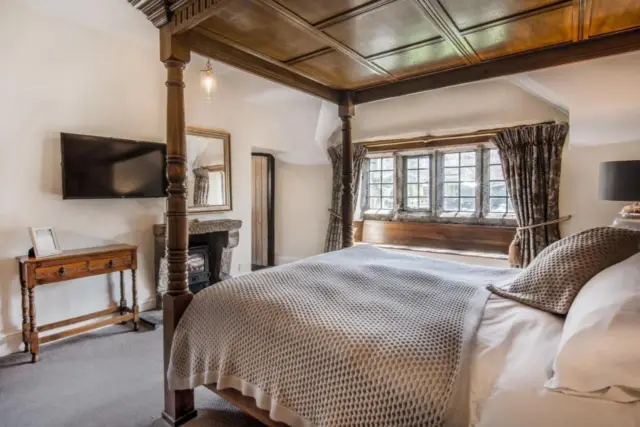
Chinley offers a selection of intimate, family-run bed-and-breakfasts and countryside inns, many set in stone-built corners of the village or just beyond. Expect warm hospitality, hearty breakfasts, and rooms that reflect Derbyshire’s rural character: white-washed walls, beamed ceilings, and traditional furniture. Because Chinley is a small settlement, you’ll also find excellent options in nearby towns such as Buxton, Chapel-en-le-Frith, and Glossop, where you can choose boutique hotels, country houses, or comfortable guesthouses. For those seeking a more self-contained stay, several self-catering cottages are available through local agents and national platforms. Booking in advance is wise, especially in peak season, weekends, and during local events when demand rises. Many options offer easy access to walking trails and farm shops.
Seasonal Changes in Hotel Prices in Chinley
Like much of the Peak District, Chinley experiences seasonal price shifts driven by demand, weather, and school holidays. Peak times tend to run from late spring through early autumn, with weekends in May, June, and September particularly popular for walking breaks and short getaways. Prices for beds and breakfasts and inns across Chinley and the immediate surrounding area rise during these periods, while midweek stays can be noticeably cheaper. Winter rates can be more affordable, though some properties adjust pricing based on low demand or special events in nearby towns such as Buxton. Early-bird deals, longer stays, and last-minute offers can help travelers secure good value. Always compare options and check cancellation policies during busy times.
Reasons to Stay at Hotels in Chinley
Staying in Chinley provides a peaceful setting that’s close to the Peak District’s most famous landscapes while avoiding the crowds often found in larger towns. The village’s location makes daily excursions to Kinder Scout, the Edale valley, the Derwent reservoirs, and Chatsworth House straightforward. Guests can wake to quiet lanes, birdsong, and a hearty Derbyshire breakfast before heading out for a day of hiking, cycling, or countryside photography. For families or couples seeking a midrange experience, Chinley’s inns offer comfortable rooms, friendly staff, and an authentic rural atmosphere that’s hard to match in urban hotels. The area’s pubs and tearooms provide convenient options for post-activity meals and sustenance.
Places to Visit and Sights to See in Chinley
Although Chinley itself is quiet, its setting places visitors at the doorstep of some of England’s most loved landscapes. A short walk from the village leads into the Peak District’s moorland, with panoramic views across stone walls and hedgerows. Drive or hike to Kinder Scout for upland panoramas, bogs, and the chance to trace the famous Pennine Way. In nearby towns, you can explore historic stately homes, such as Chatsworth House, and the spa town of Buxton with its elegant architecture and gardens. The Derwent Valley and the Goyt Valley offer lakes, reservoirs, and scenic drives. For geology lovers, the limestone outcrops and fault lines reveal a landscape shaped by millions of years of geological history. Each season reveals different colors: heather moorland in late summer, bare rock in winter, and bright greens in spring.
History of Chinley and Historical Sites
Chinley sits within Derbyshire’s long and layered history. The village grew as an agricultural community and later absorbed influences from the wider industrial region of the Peak District when transport and milling were expanding. The surrounding countryside bears the marks of centuries of land use, from pasture and quarrying to parish life centered around country churches and manor houses. The Peak District’s designation as a National Park in 1951 helped preserve Chinley’s stone cottages and rural atmosphere, while allowing tourism to flourish. In nearby towns you can discover historic houses, stone-built chapels, and industrial-era mills that tell the story of Derbyshire’s evolving economy. Walking around Chinley’s lanes today, you’ll find quiet reminders of the past in farmhouse outbuildings, old byways, and hedged fields.
Tourist Attractions and Activities in Chinley
In Chinley, you’ll find a gateway to outdoor adventures rather than a long list of consumer attractions. The area shines for walkers, hikers, and cyclists who want direct access to rolling hills, moorland, and limestone crags. Popular activities include day hikes to Kinder Scout, scenic riverside strolls in nearby valleys, and birdwatching at reservoir edges and farmland. For a broader day out, drive to Buxton to visit the Opera House, gardens, and Poole’s Cavern, or head to Chatsworth House for art and architecture set in a grand landscape. The region’s cycle routes range from gentle family-friendly lanes to more challenging ascents that test endurance. In the evening, return to Chinley for a pub dinner or a quiet night in a traditional B&B.
Things to Do in Chinley
Even with a small footprint, Chinley offers plenty of ways to fill a day or two. Take a morning stroll along quiet lanes, stopping for a coffee and a slice of Derbyshire oatcake at a village café. Choose a longer walk that begins in the village and climbs toward the moors, where the air is clear and the views stretch across the hills. Photography lovers will enjoy sunrise or sunset light on the limestone ridges and old stone walls. Afternoon options include a visit to a nearby market town for fresh produce or a spa town for a restorative break. If you’re visiting with kids, plan easy nature trails, stream-sketching, or a family-friendly hike that avoids rough sections. Evening meals can be found at traditional inns that serve local ales.
Local Foods and Drinks in Chinley
Derbyshire’s cuisine is simple, hearty, and perfect for fueling outdoor days. In Chinley you’ll find cafes and pubs offering Derbyshire oatcakes, a traditional flat pancake made with flour, oats, and water that’s widely enjoyed in the region. Bakewell pudding, a light custard tart with a crisp pastry shell, is another Derbyshire classic you may encounter in local cafés and patisseries during a longer stay. Wash meals down with real ale from local breweries or a glass of cider. Seasonal produce from nearby farms — cheeses, fresh fruit, and vegetables — often appears in village menus. For tea lovers, expect a robust, well-brewed cup plus biscuits in traditional tea rooms.
Restaurants and Dining Venues in Chinley
Chinley’s dining scene centers on traditional country pubs, small cafés, and convenient tearooms that offer comfortable, casual meals. Expect hearty breakfasts to power up long days on the hills, light lunches made with local ingredients, and classic English dinners featuring roasted meats, puddings, and vegetables from Derbyshire farms. In nearby towns you’ll find more upscale options and international cuisines, as well as restaurants showcasing regional specialties. If you’re staying in Chinley, ask the hosts for recommendations; locals often know hidden gems in the surrounding villages. Vegetarian and vegan options are increasingly common, with many venues accommodating dietary preferences with locally sourced produce.
Nightlife in Chinley
Chinley’s nightlife is low-key, reflecting its rural character. Evenings center on pub atmospheres, fireside chats, and friendly conversations with locals. If you want a broader night out, head to nearby towns such as Glossop, Buxton, or Stockport, where pubs, live music venues, and late-night cafés offer a livelier scene. Manchester, a short train or car ride away, provides large-scale evening entertainment, theatres, museums, and clubs for night owls. For quiet night walks, the Peak District’s dark skies provide a peaceful backdrop for stargazing. It’s wise to plan your nights around distances and return times, especially after a long day of walking on rough terrain.
Regional Economy in Chinley
Chinley’s economy blends agriculture, tourism, and small local businesses that support the village’s social life. Farming remains a backdrop to daily life, with farms supplying dairy and produce to nearby towns. Tourism is a growing driver, as walkers and outdoor enthusiasts arrive to explore the Peak District, staying in inns and B&Bs that contribute to the local economy. Small shops, craft outlets, and services in Chinley and neighboring villages sustain residents and visitors alike. The region’s connectivity to larger cities means many residents commute for work or study, bringing income into rural Derbyshire while preserving the countryside’s character. Investment in road maintenance, footpath networks, and visitor facilities helps support sustainable growth.
Safety in Chinley
Chinley is generally a safe destination for travelers, with typical rural crime levels and a cooperative community. Visitors should take standard precautions, such as securing valuables when parking in busy places and staying on marked paths. Weather in the Peak District can change quickly, so dress in layers and bring waterproofs when walking; lightning storms or heavy rain can make streams swell and tracks muddy. In the countryside, share the path with livestock and respect private fields and gates. Use maps or trusted apps, especially on longer hikes, and tell someone your route if you’re heading into remote moorland. Local guidance and the Countryside Code help visitors stay safe while enjoying outdoor activities.
Socio-Economic Structure in Chinley
Chinley’s social makeup is typical of many English rural settlements: an aging population in some parts, families in others, and a growing number of commuters who work in larger towns and cities. The village life revolves around community groups, parish councils, and local pubs that act as social hubs. Seasonal tourism brings temporary jobs in hospitality and retail, while long-term employment remains concentrated in agriculture, services, and light industry in the surrounding region. Home ownership is common, with a mix of long-term residents and newcomers attracted by the area’s beauty. The mix of old and new creates a dynamic social fabric that supports a sense of place and continuity while allowing for change as Derbyshire’s rural economy evolves.
Cultural Differences That May Surprise Tourists in Chinley
Visitors to Chinley may notice a few cultural differences common in rural England. People are generally friendly and ready to chat, but quiet moments on a long hill walk are respected; public spaces value manners, and dog-walking is a regular pastime. Footpaths are a cherished resource, and walkers are expected to stay on designated routes and to close gates behind them. The region’s strong sense of local identity means visitors will hear local dialect words and phrases that reflect Derbyshire’s history. Pubs play a central role in community life, with often warm welcomes and local ales. Finally, tourists should be prepared for changing weather and the prevalence of small, independent businesses that celebrate regional produce and crafts.