London has one of the widest choices of boutique accommodation anywhere, from small hotels in converted townhouses to design-led spaces. But the city is huge and its neighbourhoods are very different. This guide explains which area suits you when choosing among London boutique hotels, what to look out for and how to book.
What Is a Boutique Hotel, and Why Choose One?
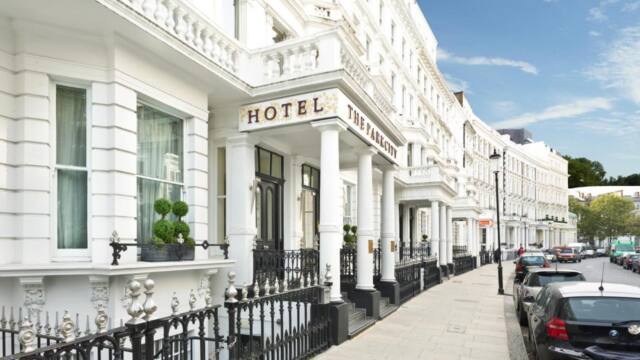
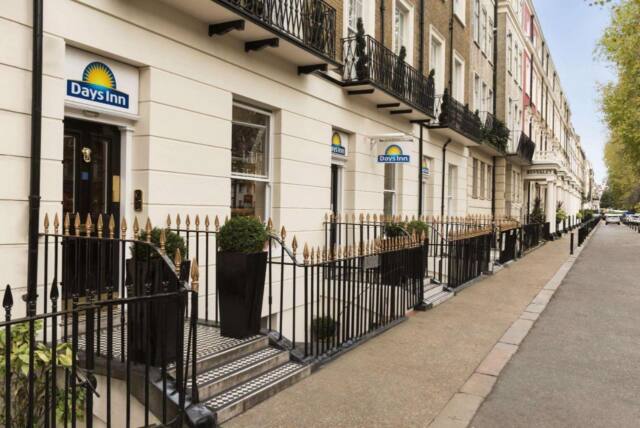
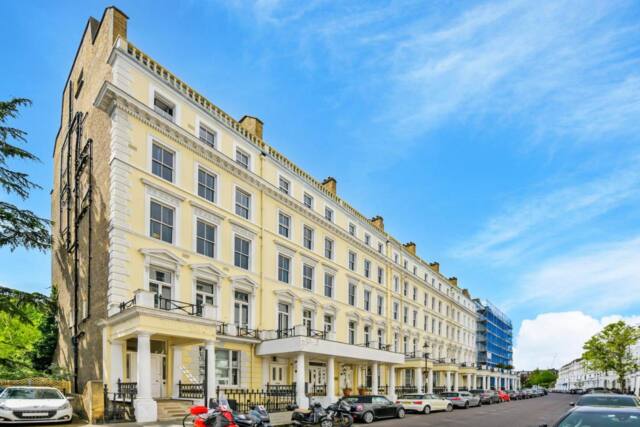
Boutique hotels usually have fewer rooms, a distinctive design and a focus on personal service. In London, many occupy Victorian and Georgian buildings. They offer more character than big chain hotels, but can differ in terms of lifts, room size and facilities. That is why it pays to read the room description carefully rather than relying on the hotel name alone.
Soho and Covent Garden: The Heart of the West End
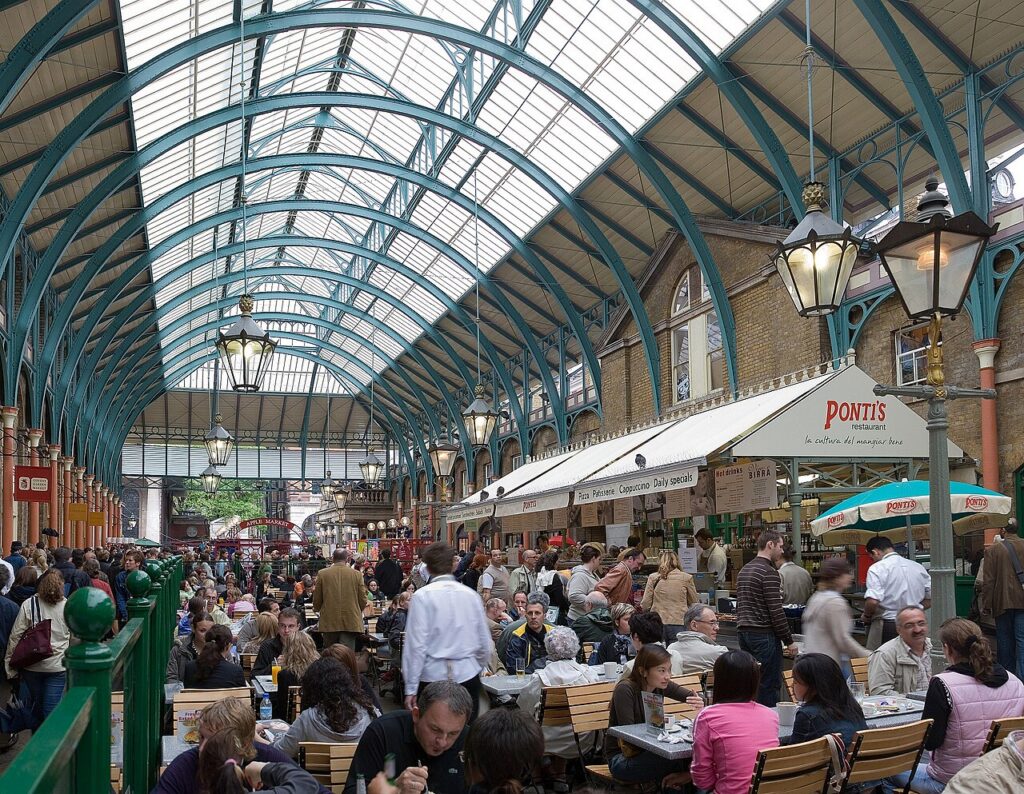
For theatres, restaurants and nightlife, Soho and Covent Garden are unbeatable. Boutique hotels here sit among lively streets, so you can see a musical and walk back to your hotel. If you are sensitive to noise, ask for a room facing the courtyard. Compact hotels near Trafalgar Square, such as The Z Hotel Trafalgar, are also an option if you want to make the most of the central location.
Shoreditch: Creative East London
Street art, independent cafés, vintage shops and Brick Lane’s weekend markets: Shoreditch is one of the areas with the most design-led boutique hotels. If you want a young, creative atmosphere, it makes an ideal base, with easy links to the City and the rest of East London.
Notting Hill and Kensington: Quiet and Elegant
With its colourful houses, Portobello Road market and closeness to Hyde Park, Notting Hill offers a calmer London. Neighbouring Kensington is within walking distance of the Natural History Museum, the Science Museum and the Victoria and Albert Museum. Townhouse hotels in these areas suit couples and families in particular.
South Bank and Waterloo: On the Thames
Close to the London Eye, Tate Modern and Borough Market, the South Bank is great if you love walking along the river. Hotels such as Park Plaza London Waterloo and Park Plaza London Riverbank are in this area, and you can walk across the bridge to Westminster.
What to Check When Choosing a Boutique Hotel
- Room size: rooms in historic buildings can be small; check the description and photos of the room type.
- Lift: if you travel with heavy luggage, ask whether there is one.
- Breakfast: check whether it is included in the price.
- Transport: the nearest Underground station and line shape how much time you spend getting around.
- Noise: in central areas, street-facing rooms can be noisier at night.
It is also worth deciding what kind of trip you want. A first visit focused on the big sights works best from a central base such as the West End or the South Bank; a return visit might be the moment to try Shoreditch or Notting Hill and see a different side of the city.
Things to Do in London
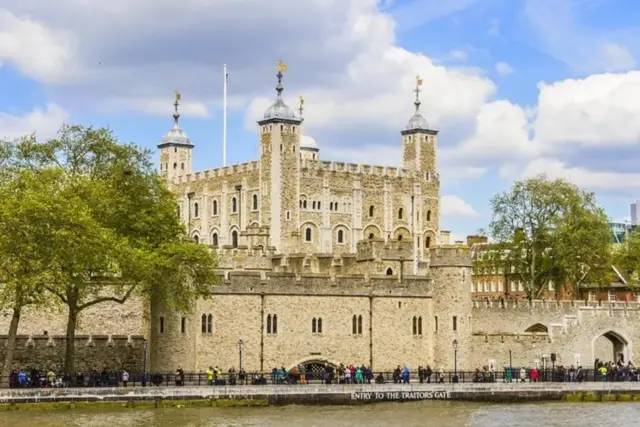
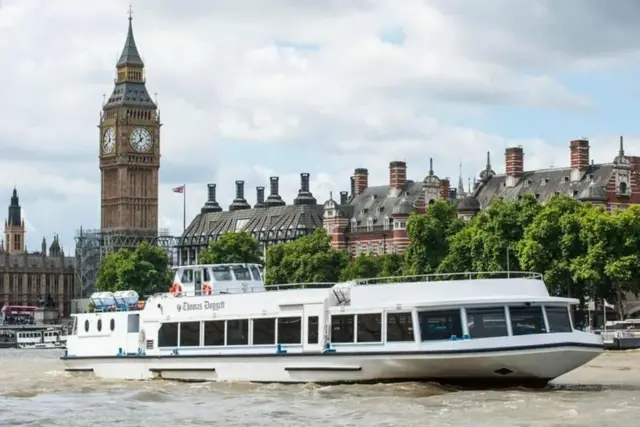
Once you have settled in, the Tower of London and Crown Jewels tour, a Westminster to Greenwich cruise or London Eye tickets are great ways to see the landmarks. All options are on the London tours page.
When to Go to London
London is a year-round city, but each season has its own feel. May to September brings long days, parks and outdoor events, making it the most popular period, so hotel occupancy and prices rise. November and December offer a magical atmosphere with Christmas lights and markets. January and February are quieter and often better value, a good time for museums and theatres. Whatever the season, pack an umbrella.
Getting There and Getting Around
London is served by Heathrow, Gatwick, Stansted, Luton and London City airports; from Heathrow, the Elizabeth line and the Piccadilly line reach the centre easily, and Gatwick has direct trains. Within the city, the Underground, buses and Thames boats reach every area, and you can pay directly with a contactless bank card. When choosing a boutique hotel, check the nearest Underground station and line, as it shapes your daily plans. Walking between neighbouring areas such as Covent Garden, Soho and the South Bank is often quicker than taking the Tube.
How to Book
On the hotels in London page, enter your check-in and check-out dates and the number of guests to see the available room types and board options. Compare bed and breakfast, half board or all inclusive, and read the cancellation terms before the payment step. Card payments are processed securely. Your card is not charged now; the amount is taken once your booking is confirmed.
Frequently Asked Questions
Which London neighbourhood is best for a boutique hotel?
Soho and Covent Garden are best for nightlife and theatres, Shoreditch for a creative, artsy feel, and Notting Hill for quiet, colourful streets.
Are rooms small in London boutique hotels?
Rooms in boutique hotels in historic buildings are often smaller. If space matters, check the room type’s size and photos.
Is breakfast included at London hotels?
Many London hotels charge separately for breakfast. Always check whether it is included when choosing your room.
When should I book a London hotel?
Prices and occupancy rise in summer, over Christmas and during big events, so book early for those periods.
What tours can I take in London?
The Tower of London and Crown Jewels, Thames river cruises, the London Eye and hop-on hop-off bus tours are the most popular.
Can families stay in London boutique hotels?
Yes, but boutique hotels may have few family rooms. Enter the number of guests and children’s ages accurately to see suitable room types, and ask the hotel about connecting rooms if needed.