Liverpool Details
Liverpool is a major port city in the northwest of England, sitting at the estuary of the River Mersey. It forms the core of the Liverpool City Region in the ceremonial county of Merseyside, and it is renowned for its rich maritime heritage, musical legacy, and vibrant cultural life. The city blends grand Victorian architecture with modern waterfront developments, parks, and a thriving arts scene. The corrected coordinates for the most practical understanding of Liverpool’s center lie around 53.41 latitude and -2.99 longitude, reflecting the city’s urban core near the Mersey. Liverpool is a place where passengers arrive by ferry, train, car, or plane and quickly sense a lively energy, a sense of history, and a warm, welcoming local spirit. This guide uses the real resolved area name Liverpool to help travelers plan a memorable visit.
أسعار الفنادق في Runcorn
اختر تواريخك وقارن أسعار الغرف المحدّثة في 1 من الفنادق.
الأعلى تقييمًا
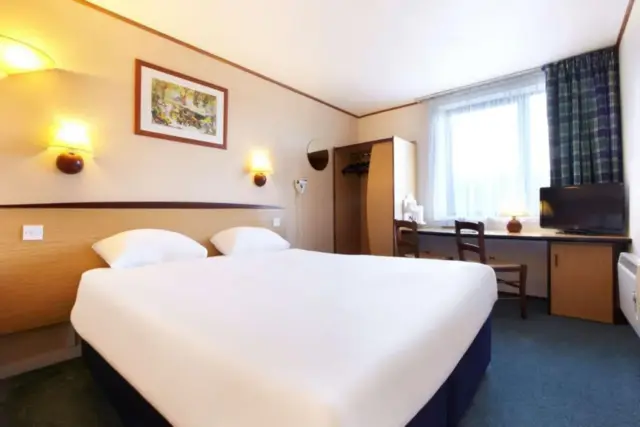
Holiday Recommendations in Liverpool
For a first visit, start with the UNESCO waterfront area along the River Mersey. Albert Dock hosts a one‑stop set of experiences, including the Merseyside Maritime Museum, the Tate Liverpool, and the Beatles Story exhibition. A stroll along the waterfront takes in architecture from the ornamental Liver Building to modern glass towers, with restaurants and bars lining the quays. A day trip can include Crosby Beach to see the Another Place sculpture by Anthony Gormley, a coastal walk to Sefton Park for a sunny afternoon, and a train ride to Port Sunlight for a look at a model village and its museums. In the spring and summer, Liverpool hosts outdoor events, markets, and concerts that celebrate the city’s cultural energy.
Why You Should Choose Liverpool
Liverpool offers a compact city center with a world class waterfront, an intimate Beatles heritage, and a thriving cultural ecosystem. The city’s musical roots spark a unique energy that continues to attract performers, artists, and fans from around the world. Its museums and galleries cover everything from maritime history to contemporary art, and its neighborhoods — from the Baltic Triangle to the Georgian quarters on Hope Street — provide a wide range of atmospheres and cuisines. Liverpool also serves as a gateway to the wider northwest, with easy access to countryside, beaches, and historic towns. For travelers who value culture, live music, and accessibility, Liverpool represents a compelling blend of heritage and modern vitality.
Transportation and Travel Tips for Liverpool
Getting to Liverpool is straightforward. The city is served by Liverpool John Lennon Airport, which offers connections to several European hubs and domestic routes. The main rail hub, Liverpool Lime Street, provides frequent services to Manchester, London, Birmingham, and other major destinations, while the Merseyrail network makes short hops around the city and into neighboring towns. If you drive, the city is connected by major roads with parking facilities in city center garages. Within the city, walking is often the easiest way to explore the compact core, and buses and trains are reliable modes for longer trips. Water taxis and ferry services across the Mersey also offer scenic travel between Liverpool and the Wirral.
Hotels and Accommodation Options in Liverpool
Liverpool offers a broad range of places to stay, from luxury hotels on the waterfront to mid‑range options near Lime Street and around the bustling Ropewalks and Baltic Triangle districts. Waterfront properties near Albert Dock provide superb views of the Mersey and convenient access to major sights, while centrally located hotels on Bold Street or near Liverpool ONE place guests close to shopping, restaurants, and nightlife. For budget travelers, there are a number of clean, comfortable guesthouses and boutique hotels in the city center. No matter the budget, travelers should look for flexible cancellation policies, especially during peak events such as football matches and music festivals. Always book in advance for weekends and during holiday periods to secure the best rates.
Seasonal Changes in Hotel Prices in Liverpool
Hotel prices in Liverpool typically rise during the peak tourist season, which runs from late spring through early autumn. June to August is often the most expensive period, thanks to favorable weather and major events. Prices can also spike around football match days at local venues and during festivals and holidays. Winter rates tend to be lower, though Christmas markets and New Year celebrations can push prices up for short windows. To maximize value, consider midweek stays, book several weeks in advance, and look for bundle deals that include breakfast or attraction passes. Seasonal pricing can vary, so it pays to monitor trends for your exact dates.
Reasons to Stay at Hotels in Liverpool
Staying in a hotel in Liverpool provides easy access to the city’s many attractions. Central locations reduce travel time between sights, dining, and nightlife. Hotels near the waterfront offer scenic views and easy access to museums and tours, while properties in the heart of the city put dining, shopping, and nightlife within minutes of your door. Liverpool’s hospitality sector emphasizes friendly service and a range of experiences, from boutique stays in character buildings to contemporary high‑rise hotels with modern amenities. For families, couples, or solo travelers, a well‑located hotel in Liverpool can simplify transport planning and help you make the most of limited time in the city.
Places to Visit and Sights to See in Liverpool
Begin at Albert Dock, a UNESCO‑inspired, revitalized waterfront district home to museums, galleries, and cafés. The Royal Liver Building dominates the skyline as one of Liverpool’s most iconic structures, while the port’s historic warehouses have become cultural venues. The Cavern Quarter on Mathew Street preserves the city’s legendary music scene with the Cavern Club and commemorative plaques. The Liverpool Cathedral and the Anglican Cathedral offer contrasting architectural experiences, and the Walker Art Gallery and Tate Liverpool showcase fine and contemporary art. Parks such as Sefton Park and the historic gardens around St George’s Hall provide tranquil spaces within the urban landscape. The Wirral Peninsula, just across the water, adds coastal walks and nature reserves to your Liverpool itinerary.
History of Liverpool and Historical Sites
Liverpool’s history is defined by its status as a major port city from the 18th century onward. The city grew with maritime trade, the transatlantic slave trade, and industrial wealth, leaving a legacy of grand docks, warehouses, and civic buildings. The waterfront was gradually redeveloped in the late 20th century into a cultural and tourist hub, while the city’s universities and infrastructure expanded to support a modern, diverse economy. Historical sites range from the waterfront warehouses converted into museums to religious and civic buildings that reflect the city’s prosperity and resilience. Liverpool’s story is one of adaptation, creativity, and enduring spirit, making it a compelling place to explore for visitors interested in urban history and cultural evolution.
Tourist Attractions and Activities in Liverpool
Popular activities include guided Beatles tours that trace the band’s early venues, a visit to the Cavern Club, and a stroll along the historic docks. The Merseyside Maritime Museum and the International Slavery Museum offer in‑depth insights into global trade and social history. River cruises and the Mersey Ferry provide scenic views of the city skyline. For families, the zoo and nearby parks deliver day‑long adventures, while art lovers can explore the Tate Liverpool and the Walker Art Gallery. Shopping, dining, and live music in the Baltic Triangle and Ropewalks districts provide vibrant evenings, and seasonal events such as festivals, markets, and outdoor performances bring the city to life throughout the year.
Things to Do in Liverpool
In addition to major sights, Liverpool offers markets, coffee culture, and distinctive neighborhoods. Take a canal walk, explore Bold Street’s independent shops, and savor coffee in independent roasteries. Attend a live concert, catch a football match, or participate in a cultural festival if your trip coincides with a city event. Liverpool is also a friendly, compact city where you can explore on foot or by short tram or rail hops, making it easy to experience multiple districts in a single day.
Local Foods and Drinks in Liverpool
The region’s iconic dish is Scouse, a hearty meat and vegetable stew traditionally shared among four travelers. It is closely associated with the Liverpudlian identity and often served with pickled cabbage or crusty bread. In Liverpool you’ll also encounter plenty of hearty pies, fresh seafood near the docks, and classic fish and chips. Tea and coffee culture thrive in the city, with many tea rooms and cafes offering afternoon menus. Local bakeries produce sweet treats and regional specialties that reflect the city’s maritime and working‑class heritage.
Restaurants and Dining Venues in Liverpool
Liverpool’s dining scene ranges from casual street food to refined dining. Bold Street and the Ropewalks area host a mix of international cuisines, including Indian, Italian, and Mediterranean options, alongside vegan and allergy‑friendly choices. The Albert Dock area provides waterfront dining with views of the Mersey, while Chinatown stations offer a rich variety of Chinese and pan‑Asian options. You can also find traditional pubs serving hearty meals, fish and chips shacks near the docks, and modern bistros that celebrate local produce. For a special experience, seek out a riverside restaurant on the waterfront or a historic building in the Georgian quarter that has been repurposed for contemporary dining.
Nightlife in Liverpool
Liverpool’s nightlife thrives in historic and contemporary settings. Mathew Street and the Cavern Quarter offer legendary music venues, pubs, and clubs with a long history of live performances. The Baltic Triangle area features modern bars, riverside lounges, and late‑night venues. Concert Square and its surrounding streets host a mix of casual pubs and lively clubs, while the waterfront districts offer stylish lounges with views of the Mersey. For those seeking late‑night entertainment, Liverpool presents a diverse range of options from intimate gigs to large‑capacity venues, all backed by the city’s friendly and welcoming hospitality.
Regional Economy in Liverpool
Liverpool’s economy is diversified across services, education, culture, and logistics. The port remains a critical asset for freight and cruise traffic, and the city hosts several universities and research centers that foster innovation and startups. Regeneration projects along the waterfront and in brownfield sites have modernized housing and retail spaces while preserving the city’s historic character. The Liverpool City Region continuously evolves with investments in digital industries, creative sectors, and tourism, supporting jobs and community development across the metropolitan area.
Safety in Liverpool
As in any major city, visitors should stay aware of their surroundings, particularly in crowded areas, at night, and in busy transport hubs. Pickpocketing can occur in tourist zones, so keep valuables secure and use hotel safes if available. Plan ahead for travel times, especially if you are coordinating with ferry schedules or late trains. Liverpool’s central districts are generally safe during daylight hours, with visible police presence and well‑lit streets at night in the core areas. If you plan night transport, consider safer options such as licensed taxis or ridesharing in well‑lit districts and avoid isolated spots after dark.
Socio-Economic Structure in Liverpool
Liverpool presents a city with a strong working‑class history, a resilient service sector, and ongoing regeneration. The city’s social and economic landscape includes a blend of historic neighborhoods, modern housing, and a vibrant cultural economy. Education and health services are important employers, and the creative industries, digital tech, and sustainable development projects contribute to job growth. While the city has faced economic challenges, it remains a hub of culture, higher education, and tourism, continuously reshaping its identity through community initiatives and new business ventures.
Cultural Differences That May Surprise Tourists in Liverpool
Visitors may notice a distinctive Scouse dialect and a renowned brand of friendly banter. Liverpool’s residents are known for warmth and humor, with a local pride in music, football, and regional history. Food and dining scenes emphasize community and shared experiences, and sports fans bring a lively energy to games that can become social rituals. Public spaces like markets and parks often showcase a relaxed pace of life, inviting conversation and spontaneous music. Travel etiquette is generally informal, and exploring local neighborhoods with curiosity and respect reveals the city’s welcoming character.