About Worlington
Worlington Details
Worlington is a charming rural village situated in the north of Suffolk, England, within the West Suffolk district and just a short journey from the Fenland edges. The coordinates you provided place Worlington in a landscape of rolling fields, hedgerow lanes, and quiet byways that typify the East Anglian countryside. The village sits near Mildenhall and lies within easy reach of the historic towns and forests of nearby Cambridgeshire and Suffolk counties. While Worlington itself is small, its setting makes it a superb base for exploring a wider swathe of east Anglia—from tranquil river paths and nature reserves to pretty market towns with rich histories. The surrounding area has a notable agricultural heritage, a legacy of centuries of farming that continues to shape local life and hospitality. In essence, Worlington offers a serene escape that still keeps you connected to a wider region rich in culture, nature, and heritage.
Holiday Recommendations in Worlington
Worlington shines as a relaxed getaway for travelers seeking slow travel through English countryside. The village makes an excellent base for a short break or a longer rural retreat that blends nature, heritage, and simple pleasures. For a holiday in Worlington, plan a mix of quiet days and satisfying day trips. Start with gentle walks along fenland byways, followed by birdwatching at Lakenheath Fen National Nature Reserve, a short drive away, where marshes, reedbeds, and wetland habitats attract a wide array of birds and wildlife. Consider a cycle along well-marked routes across the surrounding fields, with plenty of stops to enjoy a local cream tea or a hearty pub lunch. The nearby towns of Bury St Edmunds, Newmarket, and Cambridge offer museums, markets, and historic architecture that complement a stay in Worlington. If your visit coincides with a race meeting in nearby Newmarket, you’ll encounter a lively local atmosphere that adds a seasonal sparkle to the countryside experience.
Why You Should Choose Worlington
Choosing Worlington means embracing the quiet charm of rural Suffolk while staying within easy reach of larger destinations. The village offers a quintessential English countryside ambiance—peaceful lanes, traditional cottages, and friendly locals—without the bustle of a city. Worlington is ideal for travelers who want to combine nature with culture. From the doorstep, you can walk or cycle through open farmland, watch birds in nearby reserves, and enjoy unspoiled skies at night. The village also serves as a practical gateway to the wider East Anglia region, giving visitors the option to explore ancient towns, grand stately homes, and historic churches while returning each evening to the calm of Worlington. For families, couples, or solo explorers, Worlington provides a safe, scenic, and welcoming environment that emphasises pacing and presence over speed and crowds.
Transportation and Travel Tips for Worlington
Getting to Worlington is straightforward by car, bus, and rail connections in the surrounding towns. The village sits within reasonable driving distance of the A11 and A14 corridors, which connect you to major routes toward Cambridge, Ipswich, and the capital’s western approaches. If you prefer rail, the nearest reliable railway hubs are in Bury St Edmunds and Newmarket, both reachable by a short drive or local bus from Worlington. From these stations, you can reach London, Norwich, and other regional centers with a few changes. Local buses and regional coach services provide additional options for day trips to nearby towns such as Cambridge and Ely. For the best experience, consider hiring a car to maximize flexibility, especially if you want to explore the fenland scenery, rural pubs, and multiple nature reserves at your own pace. If you’re visiting during racing season or local fairs, check public transport timetables in advance, as services may vary on event days.
Hotels and Accommodation Options in Worlington
Worlington itself is small, so the area’s accommodation tends to come in the form of nearby country inns, farm stays, and bed-and-breakfasts in surrounding villages and towns such as Mildenhall, Bury St Edmunds, and Newmarket. Expect warm Suffolk hospitality, comfortable rooms, and an emphasis on locally sourced breakfasts. Many guests choose to stay in a countryside B&B that offers a home-from-home atmosphere, complemented by countryside views and easy access to walking trails. For visitors who want a bit more space, country-house hotels in the broader area provide en-suite rooms, lounges, and sometimes on-site dining. The key is to book ahead, especially during peak travel periods or race weekends in nearby Newmarket when demand rises. If you are traveling with family or a pet, look for properties that advertise family rooms and dog-friendly policies in the surrounding villages.
Seasonal Changes in Hotel Prices in Worlington
In Worlington and the immediate hinterland, hotel prices tend to mirror the broader East Anglia market. Peak-season pricing is common from late spring through early autumn when the countryside is at its most inviting, events are plentiful, and nature reserves are most active. Weekends and bank holidays usually see a premium, particularly near popular nature reserves and market towns. Midweek stays tend to be more economical, offering better value for travelers who can be flexible with their dates. If you’re visiting during specific events—such as racing meetings in Newmarket or festivals in nearby towns—book well in advance. For the best balance of price and experience, consider shoulder seasons when the countryside remains beautiful but the crowds are thinner. This approach lets you enjoy Worlington’s tranquillity while still accessing nearby cultural and historical attractions at a relaxed pace.
Reasons to Stay at Hotels in Worlington
Staying at a hotel or B&B near Worlington gives you a uniquely rural experience with easy access to broader East Anglia. You’ll be able to wake to birdsong, stroll through hedgerow lanes, and sample farm-to-table breakfasts that showcase local produce. The location makes it easy to combine rest with exploration: return to a comfortable room after a day of walking through wildflower meadows, spotting wildlife at nearby reserves, or visiting historic sites. Hotels and inns in the surrounding area also offer a social link to local life—often with evenings in village pubs where you can sample traditional dishes and local ales. Whether you’re traveling solo, as a couple, or with family, the Worlington area provides flexibility, safety, and a genuine sense of place that is increasingly rare in busier destinations.
Places to Visit and Sights to See in Worlington
While Worlington is quiet, the surrounding region is rich with places to visit. A short drive takes you to Lakenheath Fen National Nature Reserve, a premier destination for birdwatchers and nature lovers with boardwalks, hides, and accessible paths through reedbeds and marshes. The reserve’s birdsong and striking fenland landscapes offer excellent opportunities for photography and mindful strolls. Within Worlington and its neighboring villages, you’ll find historic parish churches, thatched cottages, and traditional village greens that evoke rural England at its best. The nearby River Lark and associated trails provide scenic walks along water’s edge, while the broader area offers museums and cultural sites that trace Suffolk’s long maritime, agricultural, and craft traditions. The region’s architectural variety ranges from medieval church features to 18th- and 19th-century farmhouses, making every excursion a small journey through time.
History of Worlington and Historical Sites
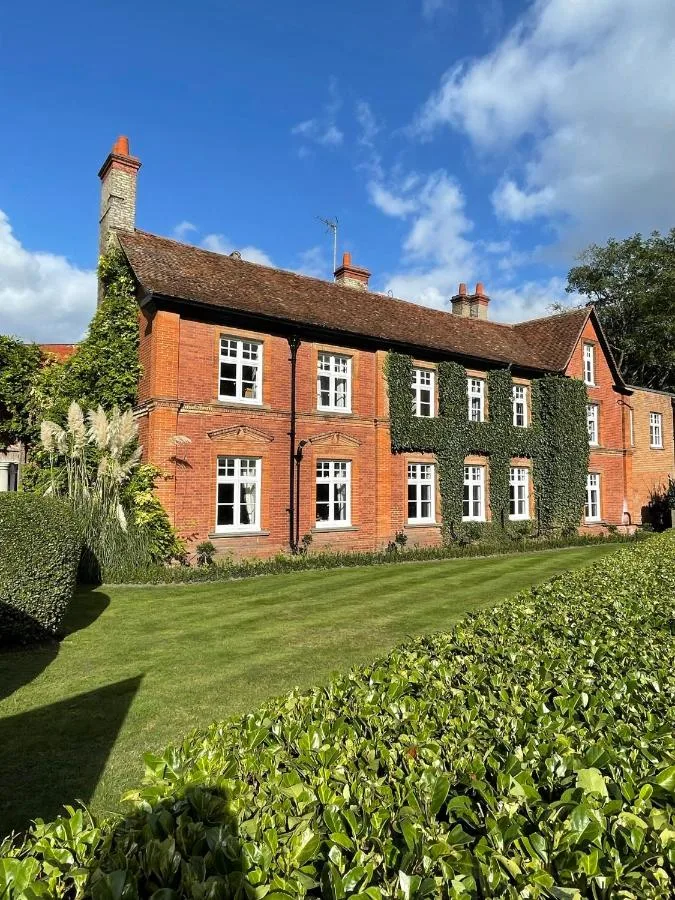
Worlington’s history is woven into the broader tapestry of rural Suffolk, where many parishes trace their roots back to medieval times. The parish church—often the most enduring landmark in a village like Worlington—offers a tangible link to centuries of worship and community life. The surrounding farmland reflects a long tradition of agricultural activity, with hedgerows and field systems that have shaped the landscape for hundreds of years. In neighboring towns and villages, you’ll encounter historical houses, manors, and public buildings that illustrate the evolution of rural wealth, land use, and religious life over the centuries. A thoughtful visit to Worlington includes small, well-preserved corners of history, a reminder of how small communities have sustained culture and continuity through changing times.
Tourist Attractions and Activities in Worlington
Active travelers can enjoy a range of outdoorsy pursuits around Worlington. Birdwatchers and nature lovers will find Lakenheath Fen a standout nearby attraction, with trails that meander through reedbeds and wetlands. For walkers and cyclists, fenland byways and countryside lanes offer peaceful routes that reveal seasonal shifts in flora and fauna. Local farms and markets—where available—provide opportunities to sample regional produce and meet local producers. Pubs and village halls occasionally host community events, tastings, and small concerts that give visitors a taste of local hospitality. In all activities, take time to observe the landscape’s textures—the way sunlight stretches along the fields at dawn, or how a hedgerow becomes a corridor for wildlife in the early evening.
Things to Do in Worlington
Specific activities in Worlington emphasize simple pleasures and nature. Take a morning stroll along quiet lanes to hear the country wake up, followed by a midday bike ride through open fields. Pack a picnic to enjoy beside a riverbank, or stop at a village pub for local dishes that celebrate Suffolk produce. If you’re visiting with children, look for safe, family-friendly paths and short circular walks that end at a playground or a thatched cottage for photo opportunities. In the evenings, you can attend small community events or take advantage of the stargazing opportunities that rural East Anglia provides when skies are clear. The key is to embrace the pace of Worlington—let the village reveal its layers gradually, and you’ll find countless small joys along the way.
Local Foods and Drinks in Worlington
Suffolk and the broader East Anglia region are known for robust flavors rooted in farmland and coast. In and around Worlington, you’ll encounter a range of locally produced foods such as fresh dairy products, seasonal vegetables, and orchard fruit. Expect hearty breakfasts featuring farm eggs, local cheeses, and breads baked with flour milled nearby. For beverages, you’ll often find locally brewed ales, ciders, and perhaps a small selection of regional wines in nearby pubs and farm shops. If you’re lucky, you can sample seasonal specialties like Suffolk rhubarb, berries, or apples pressed into fresh juice. Food lovers will appreciate the chance to meet farmers and producers who are proud to share their crafts, giving you a deeper understanding of how Worlington’s culinary landscape has evolved through the years.
Restaurants and Dining Venues in Worlington
Dining around Worlington centers on the hospitality of nearby villages and towns. Expect traditional English pub menus featuring seasonal, locally sourced ingredients, alongside café-style eateries that offer light lunches and afternoon teas. In nearby Mildenhall, Newmarket, and Bury St Edmunds, you will find a broader selection of restaurants that range from casual eateries to more refined dining rooms. Many venues celebrate Suffolk’s agricultural heritage through menus that highlight beef and pork from local farms, freshwater fish from the region’s rivers, and produce from nearby market gardens. A typical Worlington visit can easily include a curated sequence of countryside stroll, a slow lunch, and a relaxed evening back at a comfortable lodging, with multiple dining possibilities within a short drive.
Nightlife in Worlington
Worlington’s nightlife is low-key by design, reflecting its rural character. After the late afternoon light fades, you’ll find tranquil evenings in the village pubs and in the social spaces of nearby towns. For those seeking more lively entertainment, a short trip to Newmarket or Bury St Edmunds offers a wider range of venues, from intimate live music to more sizable venues hosting events and seasonal performances. The region’s nightlife blends with dining and socializing, so you can enjoy a relaxed evening with friends, family, or fellow travelers without the crowds typical of larger cities. The experience in Worlington emphasizes warmth, conversation, and the shared enjoyment of local hospitality rather than flashy nightlife.
Regional Economy in Worlington
The economy around Worlington remains rooted in agriculture and rural services, with farming traditions continuing to shape daily life and employment. Small family-run businesses, farms, and countryside inns form the fabric of the local economy, while tourism contributes a seasonal boost as visitors come to experience the Suffolk countryside, nature reserves, and the nearby towns’ cultural offerings. The presence of RAF bases in the broader region also influences the local economy by providing temporary employment for contractors and service providers and by drawing visitors to the area for events and ceremonies. The balance between agricultural livelihoods and the services that support visitors is a hallmark of Worlington’s economic landscape, reflecting a community that values both tradition and thoughtful hospitality.
Safety in Worlington
Worlington is a safe, close-knit rural community where common-sense precautions and courtesy are the norm. As with any destination, keep an eye on standard safety practices: lock vehicles and property when away from your lodging, store valuables securely, and respect farm equipment and livestock when exploring rural lanes. The countryside can present uneven terrain, so wear sturdy footwear when walking or cycling. Emergency services are available in the nearby towns, and local residents are often friendly and helpful to visitors. The overall sense of safety contributes to Worlington’s appeal as a place to unwind and explore at a comfortable pace.
Socio-Economic Structure in Worlington
Worlington’s socio-economic structure reflects its rural character, with a mix of farming families, local trades, and residents who commute to nearby towns for work. The community typically includes a blend of long-term residents and newcomers drawn by the area’s tranquillity and natural beauty. Services such as primary schools, small shops, and community hubs support daily life, while nearby towns provide larger shopping centers, cultural venues, and healthcare facilities. The region’s economy tends to be influenced by agricultural cycles, seasonal tourism, and the occasional event in the broader East Anglia area. This combination creates a stable but evolving local economy that values heritage, sustainability, and the quality of life afforded by living in a rural landscape.
Cultural Differences That May Surprise Tourists in Worlington
Visitors to Worlington may notice cultural nuances that feel distinctive, even to seasoned travelers. The pace of life tends to be slower, with an emphasis on courtesy, quiet conversations, and a respect for privacy in private spaces. You’ll experience traditional English pub culture in nearby villages, where conversation often starts with a question about how you found the area and ends with a recommendation for a local dish. Driving in rural East Anglia means negotiating narrow lanes and hedgerows, often with limited signaling and speed restrictions that encourage mindful travel. Seasonal rhythms—such as harvest time, market days, and community events—shape when and how residents engage with visitors. Embracing these differences can deepen your appreciation of Worlington and the surrounding countryside, highlighting the region’s unique blend of hospitality, history, and nature.