About Wotter
Wotter Details
Wotter is a tiny hamlet tucked into the countryside of Devon, England. While it may not be a bustling town, its charm lies in the quiet lanes, rolling fields, and proximity to larger gateways to the South West’s landscapes. The coordinates 50.4387016296387, -4.03923988342285 place Wotter in the broader Plymouth region of Devon, just inland from the coast and a short distance from the city’s riverfront and historic sites. Visitors often use Wotter as a peaceful base for exploring both the Dartmoor countryside and the Plymouth area’s cultural riches. The area is part of the South West England region, with Plymouth as the nearest city. In practical terms, Wotter sits within the leafy lanes of Devon, a county renowned for its moorlands, edible countryside, and maritime heritage. The local atmosphere is quintessentially English rural, offering a slow pace and the chance to encounter farms, hedgerows, and small country pubs that have fed generations of locals and visitors alike.
Holiday Recommendations in Wotter
Wotter makes an excellent choice for travelers seeking a tranquil countryside escape with easy access to urban culture. The best known holiday recommendations involve a mix of restful rural days and short forays to nearby attractions. In summer, long days invite gentle walks through hedged lanes and backroads that reveal Devon’s green splendor. Autumn brings crisp air and golden light that enhances long views across Dartmoor’s uplands and fields painted in harvest hues. Spring’s wildflowers are a joy, and winter offers a quieter charm perfect for reflective walks. A balanced itinerary might include a full day in Plymouth to explore maritime history, a morning hike on the edge of Dartmoor National Park, and the afternoon spent visiting a local farm shop or a traditional Devon pub. If you’re traveling with family, consider arranging a day trip to scenic coastal towns along the South Devon coast, such as Salcombe or Kingsbridge, while using Wotter as a peaceful baseline for your mornings and evenings.
Why You Should Choose Wotter
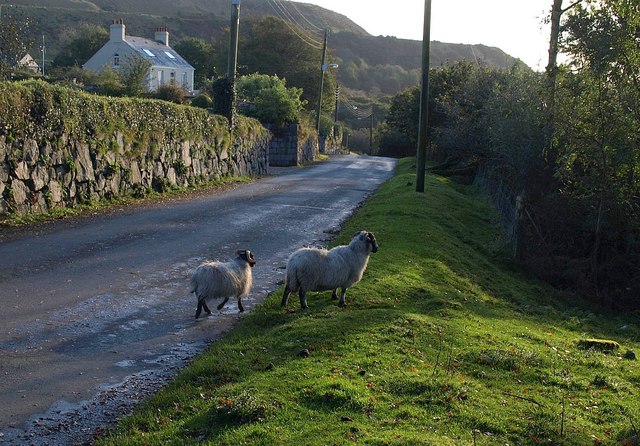
Choosing Wotter means embracing a slower tempo without sacrificing access to major regional draws. The area offers a quintessentially English rural landscape: hedgerows, stone cottages, and pastoral fields that glow with morning light. Staying in or near Wotter gives you proximity to Dartmoor’s wild expanses for hiking and wildlife watching while staying close enough to Plymouth for cultural experiences, shopping, and dining out. For many travelers, the appeal is twofold: the chance to step out of the city’s pace and into a countryside setting, and the opportunity to use Wotter as a convenient base for exploring both the ancient moorland and the South West’s maritime heritage.
Transportation and Travel Tips for Wotter
Getting to Wotter is straightforward for visitors traveling from within the United Kingdom and beyond. By car, you can navigate to Devon via the M5, then follow regional A-roads toward Plymouth and the surrounding villages, continuing into the rural lanes that connect Wotter with the broader countryside. If you prefer rail travel, the nearest major hub is Plymouth, a city with robust rail connections to London, the Midlands, and the north of England. From Plymouth station, local buses, taxis, or rental cars can deliver you to Wotter. For those who enjoy cycling, the South West has well-signed routes that make short, scenic rides into the surrounding villages and to the edge of Dartmoor feasible. A good planning tip is to check local bus timetables in advance, as rural routes may operate less frequently than in urban centers. Weather in Devon can be changeable; plan for rain gear even in summer and ensure you have a map or GPS for the narrow lanes around Wotter.
Hotels and Accommodation Options in Wotter
Wotter itself offers limited hotel-style accommodation due to its small size and rural character. The most practical approach is to base your stay in Plymouth or nearby towns and use Wotter as a day trip or quiet countryside retreat for evenings. In and near Wotter, you’ll find charming countryside bed-and-breakfasts, farm stays, and cottages offered by local families and small businesses. These options emphasize warmth, personal touches, and a chance to wake to rural views. For travelers seeking broader choice, Plymouth provides a wide range of hotels, from comfortable mid-range options to boutique stays and well-appointed waterfront hotels along the Hoe and Barbican areas. When booking, consider proximity to Dartmoor access points, as many beautiful walking routes start just beyond the hamlet’s doorstep. For a more immersive experience, look for properties that offer home-cooked Devon breakfasts featuring local produce, eggs from nearby farms, and perhaps scones with clotted cream on weekend mornings.
Seasonal Changes in Hotel Prices in Wotter
Prices for accommodations around Wotter tend to reflect the broader seasonal patterns of Devon and coastal tourism. Peak demand occurs in late spring through early autumn, when travelers flock to the South West for beaches, moorland hikes, and cultural events. During these months you can expect higher rates in nearby Plymouth and in the countryside accommodations that are within a short drive. Shoulder seasons—late spring and early autumn—often provide better value, with more available rooms and still-enjoyable weather for outdoor activities. Midwinter can see the lowest occupancy, but travelers should be prepared for shorter daylight hours and potential rain. If you’re flexible with dates, booking several weeks in advance and choosing weekdays can yield significant savings while still offering the same rural charm near Wotter.
Reasons to Stay at Hotels in Wotter
Even when the hamlet itself has a limited number of verified hotels, there are several compelling reasons to stay in the broader Wotter area. The fold of Devon countryside offers serenity, clean air, and a sense of escape from urban noise. Staying in the Wotter vicinity makes it easier to begin early morning walks along quiet lanes, photograph nature at first light, and enjoy quiet evenings in a traditional pub or a cozy cottage. It’s also an ideal base for day trips to Dartmoor National Park, where you can explore granite tors, ancient hedges, and panoramic viewpoints. The proximity to Plymouth means you can access museums, historic sites, universities, and shopping without needing to travel long distances after a day of outdoor activity. This mix of rural calm and urban convenience is a standout reason to choose accommodation near Wotter.
Places to Visit and Sights to See in Wotter
While Wotter itself is primarily a gateway to the countryside, there are several nearby sights worth including in your itinerary. Dartmoor National Park is a short drive away, offering wild moorland, granite tors, ancient stone inscriptions, and miles of walking trails suitable for every level. The South West coast’s sandy beaches and dramatic cliffs can be reached through Plymouth for a day trip, including scenic viewpoints such as the Plymouth Hoe and the waterfront at Sutton Harbour. Saltram House, a grand Georgian mansion set in a landscaped estate, is a short drive away and is ideal for architecture lovers and families. The Tamar Valley and the River Plym provide peaceful water routes for gentle boat trips or riverside strolls. For a taste of Devon’s religious and cultural history, Buckfast Abbey, a short drive away, offers tranquil grounds and regular events. Each of these sights is reachable with a comfortable drive from Wotter and can be integrated into a balanced itinerary of nature, history, and coastal charm.
History of Wotter and Historical Sites
Wotter’s history is deeply rooted in Devon’s rural heritage. The hamlet likely grew along the agricultural patterns that shaped much of the South West, with cottages built from local stone and thatched roofs during earlier centuries. While Wotter may not have a single grand monument at its center, the surrounding region is rich with history, from medieval farm layout to the influence of trades that connected rural Devon with Plymouth and the coast. Nearby towns and estates reveal traces of past centuries—manor houses, farm outbuildings, and churches that mark the continuity of life in the countryside. Visitors with a keen interest in local history will find that a day exploring the lanes around Wotter can reveal architectural details and landscape features that echo centuries of rural living in South West England.
Tourist Attractions and Activities in Wotter
In Wotter, the primary attractions are the landscapes themselves and the activities they support. Walking and hiking are natural favorites, with routes that meander through hedgerows, past small streams, and across pastureland. Birdwatching is a delight in the early morning or late afternoon, when waders, swallows, and woodland species frequent the hedgerows. Photography opportunities abound—sunrise light over the fields, the textures of Devon stone cottages, and the silhouettes of tors on the horizon can provide memorable shots. Nearby Dartmoor offers more intense hiking adventures, rock scrambling on granite outcrops, and stargazing on clear nights. For those interested in culture, a day trip to Plymouth provides museums such as the National Maritime Museum and the Plymouth Gin distillery, along with galleries and historic ships. The mix of rural leisure and access to urban culture makes Wotter a versatile base for varied interests.
Things to Do in Wotter
Top activities in and around Wotter include: countryside walking along quiet lanes, cycling on village byways, visiting local farms or farm shops to sample fresh produce, and enjoying a Devon cream tea at a countryside café. If you’re up for a longer excursion, a day trip to Dartmoor National Park offers varied terrain, from gentle river valleys to exposed moorland. Water-based activities on nearby rivers can include gentle canoeing or kayaking in season, while golf enthusiasts can seek out nearby courses with views of Plymouth Sound. In the evenings, you may find local pubs offering traditional pub fare, real ales, and a warm Devon welcome. The key is to balance outdoor time with restful evenings in a cottage or a small inn that emphasizes hospitality and traditional Devon flavors.
Local Foods and Drinks in Wotter
Devon is renowned for its food culture, and Wotter sits squarely within this culinary tradition. Expect farm-fresh ingredients, dairy products such as clotted cream, butter, and yogurts, and seasonal vegetables grown by local suppliers. Classic Devon dishes like pasties, seafood, and robust stews appear in nearby pubs and markets, often served with locally produced cider or cider-based drinks. The region’s dairy heritage means excellent cream teas, featuring warm scones, clotted cream, and strawberry jam alongside a hot cup of tea. If you enjoy seafood, the proximity to the coast ensures access to freshly landed fish with traditional accompaniments.
Restaurants and Dining Venues in Wotter
Wotter’s dining scene is modest, reflecting its rural character. Expect cozy country pubs or small family-run cafes offering seasonal menus, often using ingredients from local farms and producers. These establishments provide wholesome fare in welcoming settings—perfect after long walks or a day of exploration. For more diverse options, a short drive to Plymouth reveals a range of restaurants, from traditional English pubs to contemporary eateries and international cuisine. When planning meals in Wotter, consider combining a countryside meal with a pre- or post-dinner stroll along a scenic lane. If you prefer self-catering, many local cottages and B&Bs offer kitchen facilities where you can prepare meals using local produce bought from nearby markets or farm shops.
Nightlife in Wotter
As a rural hamlet, Wotter does not boast a vibrant nightlife scene. Visitors seeking evening entertainment will typically head to Plymouth, where bars, pubs, music venues, and cultural events provide a lively night-time atmosphere. In Wotter itself, evenings are often quiet, offering a chance to gaze at a star-lit sky, listen to birds, and savor a peaceful night in a comfortable cottage or bed-and-breakfast. If you enjoy a gentle evening in the countryside, many local inns host occasional music nights or quiz evenings, offering a taste of community life that characterizes rural Devon.
Regional Economy in Wotter
The regional economy around Wotter reflects Devon’s blend of agriculture, tourism, and services. Agriculture remains a foundational activity in rural areas, with farms providing dairy, meat, and crops that support local markets and the wider food chain. Tourism also plays a vital role, drawing visitors to Dartmoor’s landscapes and to Plymouth’s maritime and cultural attractions. Small businesses—such as welcoming B&Bs, farm shops, and craft studios—benefit from visitors seeking authentic rural experiences. The cross-border relationship with Plymouth helps the area access urban markets, educational institutions, and employment opportunities while preserving the rural appeal that defines Wotter. Visitors contribute to the local economy by staying in bed-and-breakfasts, dining at village pubs, and purchasing locally produced goods during their trips.
Safety in Wotter
Wotter is a relatively safe rural location. Standard travel safety applies: take care on narrow country lanes, respect farmland, and be prepared for variable weather, particularly in autumn and winter. When hiking in Dartmoor or other upland areas, check weather and daylight hours, wear appropriate footwear, and carry a map or GPS. Pedestrian and cyclist safety is typically high in this region, but rural drives can involve sudden farm activity or wildlife crossing roads. If you’re planning visits to the coast or moorland, always tell someone your route and expected return time, especially if you venture onto less-traveled paths. In case of emergencies, dial local emergency services in the United Kingdom by dialing 999 for police, fire, or medical assistance.
Socio-Economic Structure in Wotter
The socio-economic fabric of Wotter is rooted in the broader rural Devon community. Population density is low, and households are often part of extended family networks or linked to farming and small local enterprises. Economic life is supported by agriculture, tourism, and service industries in nearby towns, particularly Plymouth. The area benefits from a steady influx of visitors seeking countryside experiences, which sustains local B&Bs, pubs, and crafts. This structure fosters a sense of community where traditions are valued, but there is also openness to new residents and visitors who bring vitality through education, culture, and small business activity. The balance between preserving rural heritage and welcoming modern opportunities shapes life in Wotter and the surrounding countryside.
Cultural Differences That May Surprise Tourists in Wotter
Many visitors are struck by the pace and social rhythms of rural Devon compared with urban centers. In Wotter, greetings tend to be warm but unhurried, and conversations often drift to the weather, local hedgerows, or wildlife. Public transport may feel limited compared to cities, so travelers who rely on schedules should plan ahead. Dietary preferences may lean toward seasonal, locally produced foods, and pubs often emphasize long-standing recipes and locally sourced ingredients. Visitors may notice an emphasis on privacy and personal space, balanced by a welcoming sense of neighborly hospitality. The dialect can include gentle West Country tones, and small, friendly stories about the land and local history often surface in conversation at village pubs or farm shops. These differences can enrich a visit, inviting travelers to adapt to a pace that feels closer to nature and community than to urban life.