About Cockermouth
Cockermouth Details
Cockermouth is a historic market town tucked into the northwest of England in the county of Cumbria. It sits at the confluence of the River Derwent and the River Cocker, forming the Derwent as it flows toward the Solway Firth. The town is a gateway to the Lake District and acts as a tidy hub for travelers exploring the northern Lake District and the surrounding valleys. The coordinates 54.66147, -3.35901 place Cockermouth in a scenic basin surrounded by hills and woodlands. With a history that stretches back to medieval times, Cockermouth today blends Saxon street plans with Georgian and Victorian architecture. The population is small enough to feel intimate while large enough to support a range of shops, eateries and cultural venues. The town is often grouped with the wider historical area of Cumberland and the county of Cumbria, which itself is famed for dramatic landscapes and welcoming communities.
Holiday Recommendations in Cockermouth
Begin with a stroll through the Market Place where the town has long hosted markets. Here you can observe the pulse of local life and pick up fresh produce, crafts and local specialties. A short walk takes you to Wordsworth House, the birthplace of the poet William Wordsworth, where you can explore a late 17th century house and its gardens. The house offers insights into the life of one of England s greatest Romantic poets and connects literature with everyday rural life. For a stretch of outdoor time, head to the riverside and along the Cocker and Derwent. The paths along the riverbanks provide easy walking routes and chances to spot birds and the occasional otter along the water. Nearby trails lead into the surrounding fells where you can enjoy a range of walks from gentle riverside strolls to steeper hikes into the hills. A visit to Cockermouth Castle offers a sense of the area s feudal past and provides views of the town from a different perspective. When a longer day calls, use Cockermouth as a launch point for short trips into the wider Lake District including Keswick, Ambleside and Ullswater, all within easy reach by road or bus.
Why You Should Choose Cockermouth
Cockermouth makes a compelling case as a base for exploring northern Cumbria. The town balances cultural richness with natural accessibility. Its literary connection to Wordsworth, its intact historic core, and its riverside charm make it an ideal stop for travelers who want both history and scenery. The town is compact enough to discover on foot, yet it offers a surprising depth of experiences from museums and galleries to traditional pubs and modern eateries. The surrounding countryside invites hikers, cyclists and photographers to capture the drama of the Lake District without the larger crowds that can gather in more famous destinations. For families and solo travelers alike, Cockermouth provides a gentle yet engaging pace with convenient access to larger towns and national parks while preserving a distinct local character that can be found in the welcome of local residents and in the craftsmanship of the town s shops.
Transportation and Travel Tips for Cockermouth
Cockermouth is most easily reached by road via the A66 which links to the M6 and the broader north west road network. The town is served by bus routes that connect to Keswick, Workington, Carlisle and nearby villages, making day trips practical without a car. For rail travelers, the closest major railway hubs are Carlisle and Workington, from which you can take bus or taxi transfers to Cockermouth. If you are driving, plan for rural roads that can be narrow in places and provide spectacular views, particularly on clear days when the hills rise around the town. In winter weather, be mindful of occasional snow and ice and check local forecasts for the fells. Local taxis and ride share options are available, and some accommodations offer shuttle services or organized excursions. When planning activities, consider using a mix of walking and public transport to minimize congestion and to experience the town at a relaxed pace.
Hotels and Accommodation Options in Cockermouth
Cockermouth offers a variety of places to stay that reflect its historic charm and rural setting. The town itself hosts well established inns and boutique hotels alongside cozy bed and breakfasts and self catering cottages. The George Hotel is a historic property widely used by visitors and locals alike for comfortable rooms, a traditional pub atmosphere and convenient access to the town square. Smaller inns and guesthouses along the main streets provide a sense of local life, with hosts who are often eager to share tips on the best local walks and hidden viewpoints. For visitors seeking more space, self catering cottages in and around Cockermouth offer flexibility for families or groups, with kitchens and living areas that make longer stays enjoyable. Rural bed and breakfasts in nearby valleys broaden the range for those seeking a more intimate countryside experience. No matter which option you choose, the highlight is the chance to step out of the front door and into a landscape that changes with the light and the seasons.
Seasonal Changes in Hotel Prices in Cockermouth
Hotel prices in Cockermouth follow the familiar Lake District pattern with peak demand in the late spring and summer months when the weather is mild and dry, and when walking and outdoor activities are most comfortable. Prices tend to rise around local festival periods and school holidays when families visit the town and its surroundings. Shoulder seasons in late spring and early autumn often bring better value with catch up on quieter trails and fewer crowds. Winter stays can be more affordable, and some inns offer special break packages that include meals or guided walks. Visitors who book well in advance or who are flexible about accommodation type can find good value in Cockermouth, particularly if they combine a couple of nights with day trips into nearby valleys and towns. It is wise to compare options across the town s inns and B and Bs and to watch for last minute deals in quieter weeks of the year.
Reasons to Stay at Hotels in Cockermouth
Staying in Cockermouth keeps you close to the countryside while still being within reach of major markets. The town s compact size makes it easy to walk from lodging to the town center, the river, and places to eat and shop. A stay in Cockermouth offers access to a slower pace that can feel restorative after long drives or hiking days in the surrounding fells. The local hospitality is welcoming, and many properties have long histories tied to the town s development as a trading hub. A good base in Cockermouth also means you can shape a flexible itinerary that blends heritage with adventure, using the town as a springboard to explore the wider Lake District and the western coastline of Cumbria.
Places to Visit and Sights to See in Cockermouth
Top sights in Cockermouth include Wordsworth House, a preserved late 17th century home that offers a glimpse into the daily life of the poet s early years. The town center is lined with Georgian and Victorian buildings that glow with character on sunny days. Cockermouth Castle dominates the riverside and offers a sense of the town s medieval and feudal past, while nearby Castlegate provides a sense of old market life. The Derwent and Cocker rivers are central to the town s geography and provide scenic vantage points for photography and wildlife watching. For culture and art, look for small galleries and craft shops that highlight local makers. A walk along the riverside paths will reveal both nature and the human history of this resilient town. In the surrounding countryside, Whinlatter Forest Park offers forest trails and wildlife, while the broader Lake District reveals its grand views through a short drive from Cockermouth.
History of Cockermouth and Historical Sites
Cockermouth has a long and layered history that stretches back to medieval times. The Norman influence is seen in the castle that sits above the town and along parts of the old street pattern. The town grew as a trading hub for wool and other goods, with markets that helped shape its character and economy. Wordsworth House anchors the literary thread of Cockermouth s history, linking the town to the Romantic era and to the broader Lake District poetry tradition. The town also reflects the evolution of Cumbria as a border region, with hands on farming, craft, and river trade shaping daily life for centuries. Walking through its streets, visitors can sense how the town finessed resilience through industrial change and modern tourism alike, preserving a sense of place that remains vivid today.
Tourist Attractions and Activities in Cockermouth
Beyond the well known Wordsworth House and the castle, Cockermouth offers gentle activities that suit a wide range of guests. River walks along the Derwent provide tranquil scenery and chances to pause for a picnic or a cafe stop. Local markets and independent shops celebrate crafts and regional foods. Day trips to nearby valleys and lakes open up additional experiences such as boat trips on local waters, short climbs for panoramic views, and visits to nearby historic houses and farms that often offer seasonal demonstrations. For families, there are easy trails and educational stops that keep children engaged while giving adults the opportunity to study the landscape. In good weather, sunset views over the hills provide a memorable end to a day in Cockermouth and the surrounding district.
Things to Do in Cockermouth
From a practical planning perspective, start with a walk through the market area and a visit to the Wordsworth House. Consider a riverside stroll that takes you from the town center toward the countryside. If you enjoy literature, schedule time for a visit to local bookshops and galleries that showcase regional artists and writers. Outdoor enthusiasts can arrange a gentle to moderate hike in the surrounding fells or plan a more ambitious route for a longer day. A day trip to nearby Keswick for a historic walk or to Derwentwater for a boat ride can complement a stay. For food lovers, sample a range of local produce, from fresh bakery goods to hearty pub meals and classic Cumbria dishes, all anchored by the region s beloved ingredients and traditions.
Local Foods and Drinks in Cockermouth
The culinary palate in Cockermouth is strongly influenced by Cumbria s farming heritage. Traditional Cumberland sausages are common on pub menus, paired with mash and onion gravy. Local pies, hearty stews and seasonal vegetables feature on many menus, while fresh river fish and seafood appear in the right inns and eateries. In addition to savory dishes, you can taste specialty sweets and snacks associated with the Lake District, including cakes made with local dairy and berries. For drinks, look for locally brewed ales and ciders as well as classic cask ales in traditional pubs. Tea culture is part of daily life here as well, with cozy cafes offering a range of teas and light meals that are perfect after a morning of exploring the town.
Restaurants and Dining Venues in Cockermouth
Cockermouth s dining scene blends traditional hospitality with contemporary touches. Expect welcoming pubs that serve robust pub meals, bistros with seasonal menus, and family run cafes offering light lunches and afternoon tea. The George is a notable dining option where guests can enjoy meals in a historic setting, complemented by a warm pub atmosphere. In addition to these, there are independent cafes and small bistros that emphasize local produce and creative takes on classic dishes. The best approach is to stroll the main streets, discover a place with a vibe that matches your mood, and sample dishes that reflect the town s rural character and culinary ingenuity. The pace is relaxed, making it easy to savor multiple courses and regional flavors during a single visit.
Nightlife in Cockermouth
Nightlife in Cockermouth tends toward intimate venues rather than large clubs. Traditional pubs offer friendly conversation and often feature live music on certain nights. Local bars may host small acoustic performances, readings, or club nights that create a relaxed and sociable atmosphere. For visitors seeking a quieter evening, choose a riverside pub or a cafe with a viewing terrace where you can watch the sunset over the hills. Although Cockermouth is not known for a bustling nightlife scene, its evening ambiance is warm and welcoming, with opportunities to connect with locals over a well kept pint or a cup of tea after a day in the countryside.
Regional Economy in Cockermouth
The local economy is dominated by tourism, hospitality, and retail with many small, family run businesses representing the town s identity. Agriculture and rural produce contribute to the regional economy as well, with markets and shops offering goods produced by local farms and artisans. The town benefits from its location near the Lake District National Park, bringing visitors who contribute to a range of services from accommodation to guided walks and cultural experiences. Entrepreneurs in Cockermouth often collaborate with nearby villages to provide visitors with a cohesive tourism experience that highlights local history, crafts and nature. The economic landscape is quiet and resilient, reflecting the broader pattern of rural England where quality experiences and sustainable practices help sustain livelihoods across generations.
Safety in Cockermouth
Cockermouth is generally a safe destination for travelers. Usual travel precautions apply, including standard road safety and personal safety in crowded public spaces. Because the town is near water and in a rural setting, it is advisable to respect river banks and heed weather warnings when exploring the fells and remote trails. Carry a map or a mobile device with offline maps, particularly if you plan to venture into the surrounding countryside where mobile coverage can be variable. Fire safety and domestic safety in accommodations are important as in any travel scenario. Always keep emergency numbers handy and stay aware of local guidance during seasonal weather events such as heavy rain or storms that can affect walking routes and road conditions.
Socio-Economic Structure in Cockermouth
Cockermouth presents a rural economic model with a strong emphasis on small businesses and service industries. The population skews toward middle age and older residents in many parts of rural Cumbria, while towns like Cockermouth benefit from a dynamic of family owned shops, cafes, and guesthouses. The town also sees seasonal fluctuations in employment as tourism peaks in the warmer months. A sense of community is strong, with local associations, markets and festivals contributing to social life. The economic fabric is closely tied to the surrounding agricultural landscape and to the Lake District s broader tourism economy, which together sustain livelihoods while preserving the town s character and heritage.
Cultural Differences That May Surprise Tourists in Cockermouth
Visitors from busier cities may notice a calmer pace and a different rhythm in Cockermouth. Timekeeping in shops and pubs can be more relaxed, and guests may be invited to engage more with staff and neighbors, which reflects local hospitality culture. The town values privacy balanced with friendliness, and it is common to see people greet strangers or share walking tips in the street. Public transport may feel less frequent than in larger urban centers, so planning ahead is wise. The countryside also shapes local attitudes toward weather, outdoor gear and planning a day, as unpredictable conditions can change plans rapidly. Embracing these differences can enrich the travel experience, helping visitors to connect with locals and to appreciate the quiet beauty of the Lake District region that surrounds Cockermouth.
Where to stay in Cockermouth
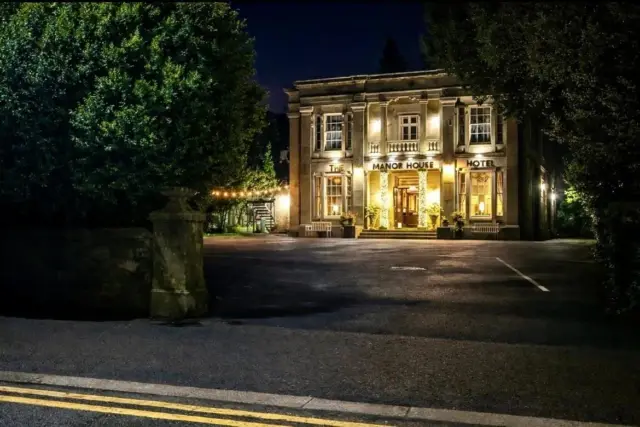
Manor House Hotel, Cockermouth
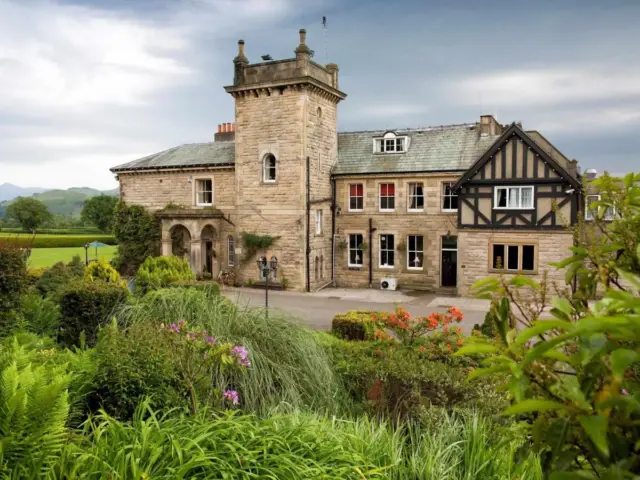
Hundith Hill Hotel
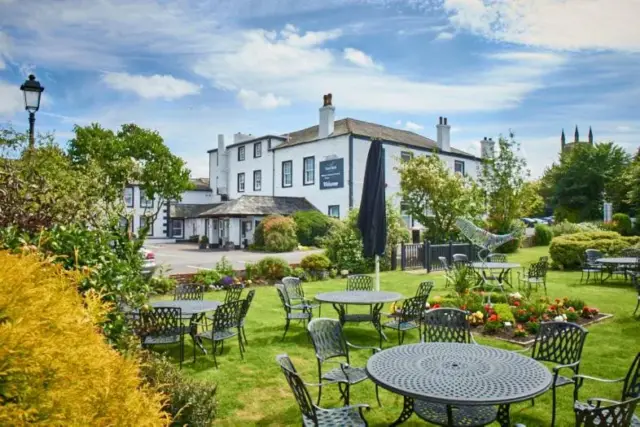
Trout Hotel
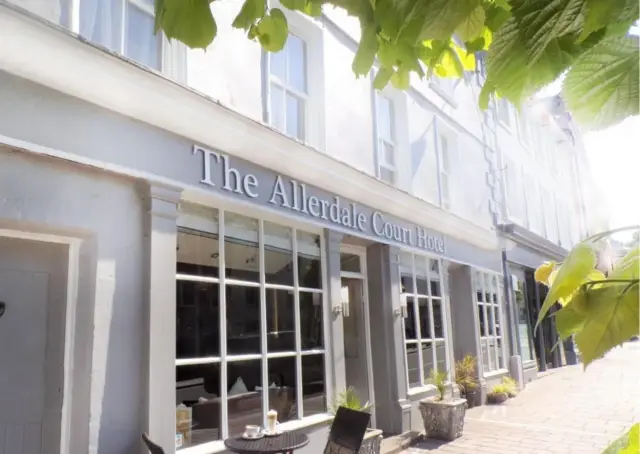
Allerdale Court Hotel
Manor House Hotel, Cockermouth
Allerdale Court Hotel
Trout Hotel