About Morecambe
Morecambe Details
Morecambe is a charismatic seaside town on the Lancashire coast in North West England. It sits at the eastern edge of Morecambe Bay and faces the Lake District hills on clear days, offering striking coastal views across the bay. Although the area is small in terms of its urban footprint, Morecambe plays a big role in regional maritime heritage and revives its character through culture, art, and fresh sea air. For a sense of scale, the town is often associated with nearby Lancaster, the historic regional city that serves as an important cultural and administrative center for the area. The coordinates used for reference are 54.0682 N, -2.8748 W, placing Morecambe right on the lenticular conduit of the English Channel weather and North West winds.
Morecambe forms part of the ceremonial and historic boundaries of Lancashire, a county known for its dual identity as a factory town and a gateway to spectacular coastlines. The town embodies Victorian and modern seaside charm, with a promenade that invites long walks, a skyline marked by architecture from the early 20th century, and a community spirit that has endured through economic shifts. Visitors should approach Morecambe with an understanding that while the city closest to it is Lancaster, Morecambe retains its own distinct personality and stories, particularly around its seafront, art deco foundations, and the resilience of its local businesses and residents.
Holiday Recommendations in Morecambe
Morecambe makes an ideal break for families, couples, and solo travelers who want a coastal escape with easy access to the Lake District and the wider Lancashire coast. The best time to visit is late spring through early autumn when the promenade is busiest and outdoor venues are at their most inviting. For a longer stay, plan at least three days to savor the seafront, enjoy cultural venues, and take day trips to nearby landscapes. Morecambe is a walking town, so bring comfortable shoes and a good camera to capture the bay, the statue of Eric Morecambe, and the long, sweeping horizon over the water. If you arrive by train, you can easily combine a stay in Morecambe with urban explorations in Lancaster or wind down with a short ride to the Lake District towns of Ambleside and Windermere.
Highlight experiences include a stroll along the prom to the iconic statue of Eric Morecambe, a visit to the historic Winter Gardens theatre, and a journey out to the Stone Jetty for sunset views. For families, Happy Mount Park offers green space, trails, and playground moments, while art lovers will appreciate the evolving cultural scene around The Platform and other venues that host exhibitions, performances, and community events. Foodies will enjoy fresh seafood cafes along the seafront and traditional Lancashire dishes in welcoming pubs and bistros that celebrate local produce and comfort cooking.
Seasonal festivals and midweek markets add color to Morecambe’s calendar. In summer, outdoor concerts and cinema evenings in public spaces create a lively, inclusive atmosphere. Winter brings quieter streets, twinkling lights, and a reflective mood that suits long coastal walks and cozy afternoons in historic venues. Whether you are chasing a postcard-perfect sunrise, a heritage walk, or a day trip to the Lakes, Morecambe makes a versatile base with Lancaster just a short travel link away and a coastline that rewards exploration.
Why You Should Choose Morecambe
Choosing Morecambe means choosing an authentic English seaside experience that balances heritage with modern culture. The town offers a compact, walkable core along the seafront, where iconic landmarks, restored venues, and sea breezes come together to create a distinctive mood. Morecambe has undergone regeneration that embraces arts, community spaces, and sustainable tourism while retaining the family-friendly, affordable feel of a classic British coast town. Staying near the promenade means you are within easy reach of the Stone Jetty, the Eric Morecambe statue, and the timeless charm of Victorian and Art Deco architecture that makes a photography haven for visitors.
From a practical perspective, Morecambe benefits from proximity to Lancaster and other Lancashire attractions. A visit can seamlessly blend seaside leisure with historical exploration in a region known for its castles, markets, culinary traditions, and scenic walks. The town’s layout encourages slow travel—ample time to enjoy coffee by the sea, browse local shops, and savor the sense of place that makes Morecambe memorable long after you return home.
Transportation and Travel Tips for Morecambe
Getting to Morecambe is straightforward for travelers from across the United Kingdom and beyond. By rail, the town is connected via Lancaster to mainlines through Preston and beyond, allowing convenient day trips to the Lake District, the Trough of Bowland, or the historic towns of the Ribble Valley. By road, the A6 and connecting routes provide reliable access from Liverpool, Manchester, and Leeds, while a drive from Lancaster takes about 20 to 40 minutes depending on traffic. If you are arriving by car, plan for parking along the seafront and in central car parks near the town center, with some areas offering longer-stay options for visitors exploring the coast and local attractions.
Public transport within Morecambe and to nearby towns is friendly to visitors. Local bus services link the promenade with Happy Mount Park, the town center, and the railway station. For those who want a slower, scenic experience, consider a coastal walk that opens toward the Bay and the distant hills. If you are coming from the Lake District or the Yorkshire Dales, a day trip by car or coach to Morecambe can be a satisfying complement to a lakeside adventure, with a comfortable return to Lancaster or your next destination in the Northwest.
Hotels and Accommodation Options in Morecambe
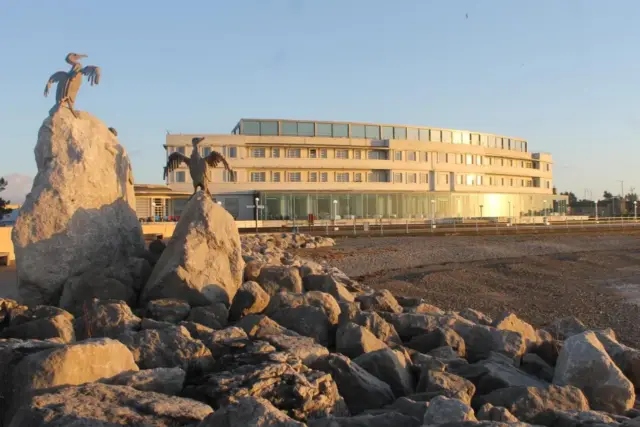
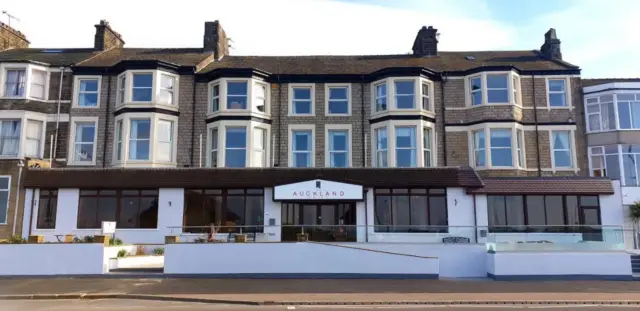
Morecambe offers a range of accommodation that suits various budgets and preferences, from historic hotels that celebrate the town’s maritime heritage to modern guesthouses with sea views. The iconic Midland Hotel on the promenade stands as a landmark of Art Deco design and classic hospitality, offering a refined stay with direct access to the seafront. For travelers seeking intimate, boutique-style stays, there are guesthouses and smaller hotels in the town center near Marine Road, where you can enjoy proximity to eateries, pubs, and cultural venues without sacrificing comfort.
Budget-conscious travelers can find friendly B and Bs and guesthouses tucked along the lanes that run behind the promenade. These options routinely offer generous Lancashire breakfasts and helpful tips about local sights and day trips. For families and longer breaks, look for apartment-style accommodations or family rooms that provide flexible space and kitchen facilities. The important thing is to choose a base that offers easy access to the seafront, The Platform arts venue, and the Eric Morecambe statue for a truly immersive experience of Morecambe’s seaside culture.
Seasonal Changes in Hotel Prices in Morecambe
Hotel prices in Morecambe follow a seasonal pattern typical of coastal towns. Peak pricing generally occurs in the warm summer months when families and weekend travelers flood the seafront, followed by a busy autumn period when visitors come for coast walks and cultural events. Prices tend to be highest around late July through August, with a gradual rise during school holidays and popular weekend dates. The shoulder seasons — late spring and early autumn — often offer better value, with comfortable weather, fewer crowds, and more room to negotiate or score value-added packages that include breakfast or museum passes.
Midweek stays can yield additional savings, particularly outside major event periods. Booking ahead or using flexible date searches can help you secure rates that reflect your preferred stay length and seafront location. If you are aiming for a special occasion, some hotels in Morecambe offer anniversary packages or sunset dining experiences that enhance the seasonal charm without stretching your budget too far.
Reasons to Stay at Hotels in Morecambe
Staying in a Morecambe hotel places you right on the doorstep of the bay and the town’s walkable center. The long promenade invites casual strolls at any hour, and you can reach The Midland Hotel, the Eric Morecambe statue, and the Stone Jetty within a short, scenic walk. Seafront accommodations typically provide remarkable views, easy access to the beach, and the chance to hear the tide at night, which can be a soothing experience after a day of sightseeing in the Lancaster region.
Many Morecambe hotels pride themselves on hospitality that reflects the Northern English tradition of warmth and helpfulness. You’ll likely find staff recommendations for local seafood restaurants, family-friendly activities, and heritage sites along the coast. If your travel plan includes day trips to Lancaster or the Lakes, choosing a hotel near the seafront offers the best balance of restful nights and simple access to efficient transport links that connect you to the wider Northwest region.
Places to Visit and Sights to See in Morecambe
Morecambe presents a curated set of sights that reveal its coastal character and cultural evolution. A must-see for any visitor is the Eric Morecambe statue along the seafront, a beloved tribute to one of Britain’s most cherished comic actors. The statue is a popular photo stop and often the starting point for a promenade walk that reveals the town’s maritime ambiance. The Stone Jetty extends into Morecambe Bay, offering a sense of scale and a vantage point for sunsets that paint the horizon with soft pastel colors.
The Platform is a contemporary arts venue housed in a vintage setting that hosts exhibitions, performances, and creative community programs. If you enjoy Victorian and Art Deco architecture, a stroll around the seafront will reveal The Midland Hotel and other period buildings that give Morecambe a distinctive flavor. Don’t miss a visit to Happy Mount Park, a family-friendly green space with walking trails, a soothing lake, and playgrounds that provide a welcome pause from the sea breeze. For nature lovers, the bay itself offers birdlife and coastal landscapes that reward patient observation and a camera with telephoto reach.
History of Morecambe and Historical Sites
Morecambe rose as a respectable Victorian resort after the advent of the railway and rapid industrial growth in the 19th century. It became a magnet for holidaymakers seeking fresh air and sea breezes, fostering the development of promenades, hotels, and entertainment venues along the coast. The town’s history is closely tied to the broader story of Lancashire’s coastal economy, with fishing, shipping, and tourism shaping the local character over the decades. The Winter Gardens also played a central role in Morecambe’s cultural life, attracting performers and audiences during its peak years and continuing to host events that connect generations to the town’s heritage.
Today, Morecambe preserves its historic roots while embracing regeneration that highlights arts, community spaces, and creative reuse of old structures. The result is a place where visitors can trace the evolution from a Victorian seaside town to a contemporary cultural hub while still enjoying the timeless appeal of the sea and the bay that surround it.
Tourist Attractions and Activities in Morecambe
Beyond the statue and the promenade, Morecambe offers a mix of activities that appeal to a broad audience. Art and performance venues like The Platform present exhibitions and shows that reflect contemporary culture, while the seafront itself invites long walks, horseback dog-walking routes, and bike rides along designated paths. For history lovers, a visit to the Midland Hotel and nearby historic lanes reveals layers of architectural design from the Art Deco era and earlier periods.
Outdoor enthusiasts can explore the nearby countryside or take day trips to the Lake District, which is relatively close and provides hiking, boating, and scenery that complements the coastal experience. For families, parks, small museums, and interactive installations provide accessible learning and playful experiences that align with Morecambe’s welcoming spirit.
Things to Do in Morecambe
In Morecambe, a well-paced itinerary blends sea air with culture. Start on the seafront with a walk toward the Stone Jetty, a timeless stretch where you can pause to watch fishing boats, seabirds, and the ever-changing sky. Photo opportunities abound for sunset shots when the bay turns to gold. The Eric Morecambe statue is a joyful stop that often becomes a shared memory among visitors and locals alike. If you enjoy live performances, check the schedule at The Platform or the historic Winter Gardens to catch a show or an exhibition that captures Morecambe’s artistic energy.
For outdoor fun, Happy Mount Park offers family-friendly activities and a tranquil green space. A coffee or a traditional Lancashire pie at a seafront cafe provides a moment to soak in the salty air and the seaside vibe. Day trips by car or rail to Lancaster, the Lake District, or other Lancashire coast towns broaden your experience, turning a compact Morecambe stay into a gateway to a wider regional adventure.
Local Foods and Drinks in Morecambe
Local cuisine in Morecambe reflects Lancashire’s agricultural and maritime heritage. You will encounter fresh seafood, fish and chips with white vinegar, and hearty dishes such as Lancashire hotpot and toad-in-the-hole at traditional pubs and eateries along the seafront and in the town center. Expect generous portions, comforting flavors, and a focus on seasonal ingredients sourced from local producers or nearby markets. Tea lovers can indulge in robust blends at cafes and teashops, offering a restorative pause after a seaside stroll.
For adventurous eaters, some venues in Morecambe experiment with modern takes on coastal flavors, pairing seafood with regional cheeses, herbs, and seasonal produce. While the range may be smaller than in larger cities, the quality and character of the food in Morecambe celebrate its coastal identity and Lancashire heritage, making every meal a small celebration of place.
Restaurants and Dining Venues in Morecambe
Morecambe offers a cohesive set of dining options that cater to different moods and budgets. Seafront venues provide classic meals with sea views, ranging from casual cafes to mid-range bistros. For those seeking refined dining, some hotels and independent restaurants deliver more polished experiences while preserving the warmth that Northern hospitality is known for. When exploring, you will find options near the promenade, around the town center, and in pedestrian-oriented lanes that invite a relaxed pace and casual conversation with locals.
To make the most of your time, pick a few favorites for your stay and enjoy the rhythm of Morecambe’s dining scene. The town’s culinary scene is friendly and approachable, often featuring seasonal specials that highlight the best of Lancashire’s produce and the local catch from Morecambe Bay.
Nightlife in Morecambe
Nightlife in Morecambe centers on warm pubs, live music venues, and cozy social spaces along Marine Road and the seafront. The atmosphere is typically relaxed and friendly, ideal for travelers who want to unwind after day trips or long coastal walks. Pubs and bars often host evening entertainment, from acoustic sets to small gigs, and are popular among locals and visitors alike. If you are seeking a quieter night, choose a riverside or seafront cafe that remains open into the evening and offers late-night tea or coffee with a sea breeze as a backdrop.
Seasonal events, festival nights, and community gatherings contribute to a lively but comfortable nightlife scene that remains approachable for families and groups alike. In Morecambe, it is common to meet locals and fellow travelers who are happy to share tips about day trips, walking routes, and the best spots to watch the sunset over Morecambe Bay.
Regional Economy in Morecambe
The economy of Morecambe has historically centered on tourism, hospitality, and maritime activities, with a broader economic tie to Lancaster and the surrounding county of Lancashire. Recent regeneration efforts emphasize cultural venues, leisure attractions, and the reuse of historic buildings to stimulate local employment, attract investment, and diversify the visitor experience. While tourism remains a cornerstone, there is ongoing collaboration with regional partners to develop sustainable tourism practices, preserve heritage sites, and expand the range of accommodation and dining options that serve both residents and visitors.
Safety in Morecambe
Like many coastal towns, Morecambe requires standard safety precautions for visitors. Stay aware of tide times when near the coast and do not walk on mudflats in the bay, especially around Morecambe Bay’s estuary, where quicksand-like mud can pose serious risks. Use marked footpaths and follow local guidance when exploring the shoreline or taking boat trips. In town centers, keep valuables secure and be mindful of weather changes, particularly in autumn and winter when coastal winds can be brisk. Emergency numbers in the United Kingdom are straightforward to access, and most accommodations provide guest information about local safety resources and contact numbers.
Socio-Economic Structure in Morecambe
Morecambe’s social fabric reflects a resilient community that has adapted to economic shifts while preserving a strong sense of place. The town has many long-standing family-run businesses, small shops, and cultural venues that contribute to a steady local economy. The historic proximity to Lancaster means that residents benefit from the region’s educational and cultural resources while maintaining a distinct identity tied to the coast. The social landscape includes a diversity of ages and backgrounds, with ongoing regeneration and community-led initiatives that aim to improve housing, transport links, and access to cultural opportunities for residents and visitors alike.
Cultural Differences That May Surprise Tourists in Morecambe
Tourists visiting Morecambe from other parts of the UK or abroad may notice a few cultural differences that enrich the experience. The Northern English sense of humor and warmth is often expressed through easygoing conversations, friendly greetings, and a practical, no-nonsense approach to everyday life. The region’s accent and dialect can add color to conversations, making listening and participation in small-town exchanges a memorable part of the trip. Engaging with local residents in a respectful, relaxed manner is usually appreciated and can lead to genuine conversations about the town’s history, its people, and the ongoing regeneration that shapes Morecambe’s present and future.
Where to stay in Morecambe
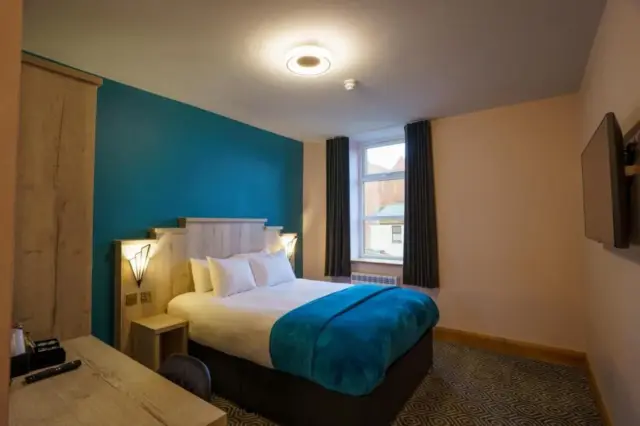
The Bath Rooms
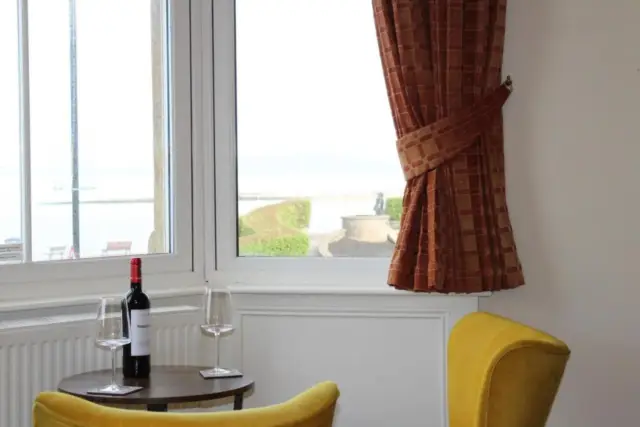
The Crown Hotel
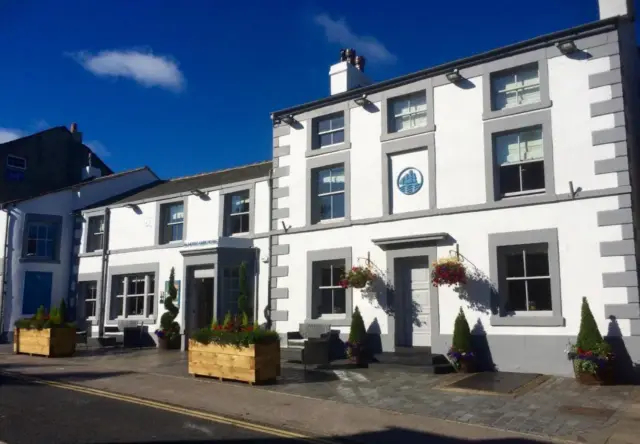
The Morecambe Hotel
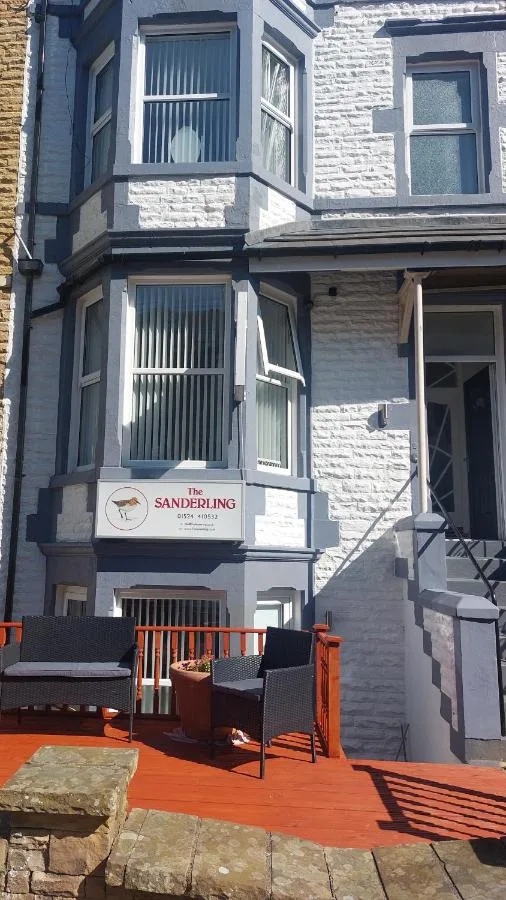
The Sanderling
The Midland
The Auckland Hotel
The Clarendon Hotel
Eden View
The Clarendon Hotel
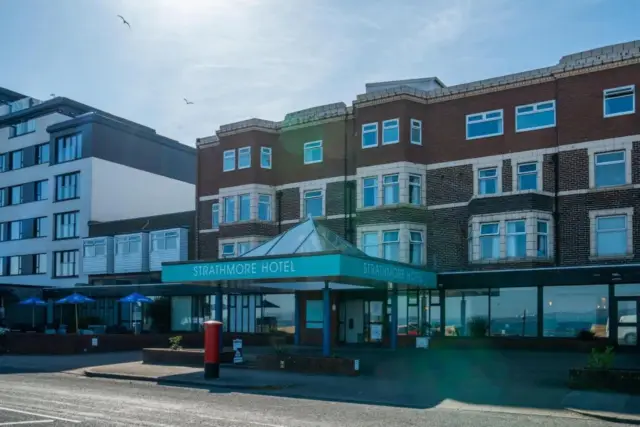
The Strathmore Hotel
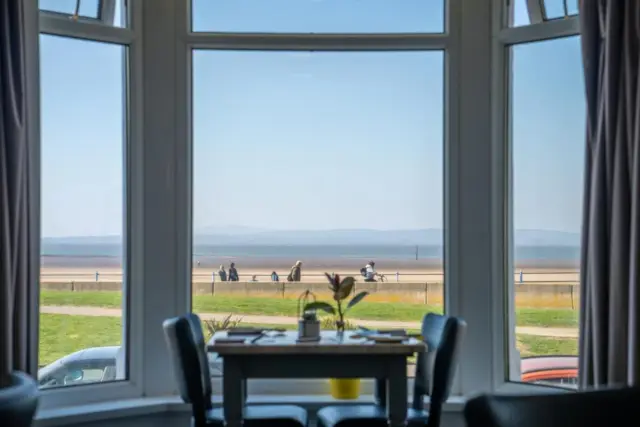
The Clifton Seafront Hotel
The Sanderling
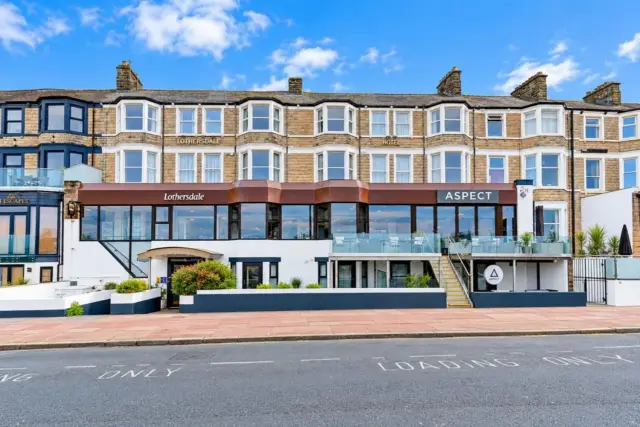
Lothersdale Hotel Morecambe by Belvilla
The Crown Hotel
Eden View