About Cookstown
Belfast Details
Belfast is the capital and largest city of Northern Ireland, located in the United Kingdom. It sits along the River Lagan and serves as the region s economic and cultural heart. The final verified area name is Belfast, the city name is Belfast, in County Antrim, United Kingdom. Corrected coordinates are 54.5970, -5.9300 to reflect Belfast proper. The city has a rich maritime legacy, with shipbuilding past that gave birth to the Titanic, a dramatic reminder of industrial prowess and resilience. Modern Belfast blends Victorian and contemporary architecture, world class museums, lively neighborhoods and a growing tech sector. The climate is temperate maritime, with mild summers and cool, damp winters. Visitors should be prepared for sudden showers; carry a compact umbrella and plan flexible outdoor time. In the wider region you are never far from dramatic coastlines, rolling hills and green countryside that contrast with the city s cosmopolitan energy.
Holiday Recommendations in Belfast
Belfast shines at any time of year, but the best overall window is late spring through early autumn when days are long and events fill the calendar. Spring brings fresh greenery to the Botanic Gardens and a relaxed pace through the Cathedral Quarter. Summer offers outdoor concerts, river walks and easy access to coastal day trips. Autumn cools the streets pleasantly and festival atmospheres linger in the air. For fans of history and culture, couple a Belfast stay with a guided tour north along the Antrim coast to the Giant s Causeway, or south to the Mourne Mountains for a hiking day. The city itself is compact enough to explore on foot, with major sites clustered around central neighborhoods, making Belfast ideal for a multi day itinerary or a short break.
Why You Should Choose Belfast
Belfast offers a compelling blend of industrial heritage, cultural depth and modern vibrancy. The city s landmarks tell stories of shipbuilding, resilience and political evolution, while contemporary districts pulse with galleries, street art, cafes and innovative dining. Close proximity to natural scenery makes Belfast an excellent base for day trips to the coast, forests and mountains. The hospitality in Belfast is renowned, with friendly locals and a safe, walkable city center. In recent years Belfast has become a hub for technology, education and creative industries, yet it retains a human scale that makes exploration feel intimate. Choose Belfast for a trip that merges history and modern life with easy access to scenery and coastline.
Transportation and Travel Tips for Belfast
Getting to Belfast is straightforward from major hubs in the UK and Ireland. Belfast International Airport serves domestic and low cost routes, while George Best Belfast City Airport handles shorter flights. From the airport, a quick taxi or bus ride connects you to the city center. Within Belfast, Translink operates frequent buses and a convenient rail link to nearby towns. The city center is compact enough for walking, and cycling is popular in good weather. For onward travel, the Enterprise service links Belfast with Dublin, offering a comfortable cross border rail option. If you plan day trips to the Antrim coast or the Mourne Mountains, consider a guided tour that includes transport to maximize your time.
Hotels and Accommodation Options in Belfast
Belfast offers a range of choices from luxury hotels to charming B and B s and modern serviced apartments. In Cathedral Quarter and the city center you will find stylish boutique hotels with easy access to dining, nightlife and cultural sites. The Titanic Quarter offers themed stays close to the museum and waterfront, while the Queen s Quarter provides quieter, leafy streets near university campuses and cultural venues. For travelers on a budget, well located guesthouses and mid range hotels provide comfortable rooms, good breakfasts and friendly service. Family friendly hotels and several upscale options near City Hall are ideal for those seeking convenience and central access to the city s highlights.
Seasonal Changes in Hotel Prices in Belfast
Hotel rates in Belfast tend to peak in the summer and around major festivals when demand is highest. Late spring often offers good value as visitors aim for milder weather before peak season. Autumn can bring a balance of lower rates and fewer crowds, especially on weekdays. Winter prices drop further except during holiday periods when demand spikes again. Booking in advance for popular events such as summer concerts or the Maiden voyage celebrations can secure better rates. Midweek stays frequently yield better prices than weekend bookings. Consider package deals that include meals or tours to maximize value during peak times.
Reasons to Stay at Hotels in Belfast
Staying in Belfast places you within reach of the city s iconic sights, excellent dining and efficient transport links. Central districts offer immediate access to museums, markets and nightlife, while quieter neighborhoods provide restful mornings and walkable parks. Belfast is a compact city, allowing easy day trips to coastal routes and inland scenery without long drives. Many hotels in the heart of the city are tailored for both business and leisure travelers, with reliable Wi Fi, comfortable lounges and attentive service. Staying in Belfast ensures you never miss a sunrise over the River Lagan or a chance to sample local culinary pleasures after a day of sightseeing.
Places to Visit and Sights to See in Belfast
Top sights in Belfast include the Titanic Belfast museum, a flagship experience detailing the city s maritime heritage. City Hall stands as a neo classic landmark, surrounded by parks and a vantage point for city views. The Botanic Gardens and the Ulster Museum offer culture and greenery, while St George s Market provides a lively mix of food stalls and crafts. The Crumlin Road Gaol offers a stark look at Belfast s prison history, and Belfast Castle sits on the hills overlooking the city with sweeping views. For a coastal perspective, a short trip to the nearby coastal trails reveals cliffs, bays and scenic overlooks that complement a Belfast itinerary.
History of Belfast and Historical Sites
Belfast s history is rooted in shipbuilding, industry and the social changes that shaped Northern Ireland. The shipyards on the River Lagan propelled Belfast into a global trading hub during the industrial era, with the Titanic s ill fated voyage becoming a defining narrative. The Troubles marked decades of tension and eventual peace, leaving a legacy visible in murals, memorials and careful urban renewal. Museums, galleries and preserved historic sites in Belfast tell stories of communities, resilience and reconciliation. Crumlin Road Gaol, HMS Caroline and the urban redevelopment of the harbors and markets reflect Belfast s layered past and ongoing transformation.
Tourist Attractions and Activities in Belfast
In Belfast you can join Black Taxi Tours for a guided tour of political murals and historical sites, or explore on foot with self guided routes through bustling neighborhoods. A Titanic themed day is a must, with visits to the museum and nearby refurbished docks. Game of Thrones fans can join tours that visit filming locations in and around Belfast. For art lovers, galleries and street art tours reveal vibrant contemporary culture. Family friendly activities include the W5 science center and the Pollinator garden at the Botanic Gardens. The waterfront at the Titanic Quarter offers views, walks and occasional outdoor performances that capture the city s energy at any season.
Things to Do in Belfast
Beyond museums, Belfast invites outdoor enjoyment on the Lagan River with boat trips and riverside walks. Shop in the charming city center arcades, then relax in a cafe in the Cathedral Quarter. Take a guided historic walk or a bicycle tour along Try a self guided mural trail. In the evenings, enjoy live music venues and atmospheric pubs. The surrounding countryside invites scenic drives to the Antrim coast and quiet villages that showcase rural Northern Ireland. Belfast is a city that rewards repeat visits, with new exhibitions, openings and culinary pop ups appearing throughout the year.
Local Foods and Drinks in Belfast
Belfast s food scene reflects both traditional Irish fare and modern influences. Start the day with a hearty Ulster fry or soda bread, and later sample seafood chowder, grilled fish and locally sourced meats. Traditional dishes pair well with whiskies from Northern Ireland and craft beers from local microbreweries. Sweets such as wheaten bread and raspberry pavlova offer a taste of home comforts, while contemporary cafes feature international flavors to suit every palate. Seasonal produce from nearby farms keeps menus fresh and indicative of Belfast s commitment to quality.
Restaurants and Dining Venues in Belfast
For a memorable Belfast dining experience, consider establishments in the Cathedral Quarter and Queen s Quarter. Fine dining options blend regional flavors with modern techniques, while casual spots offer hearty meals and quick bites. Mourne Seafood is known for fresh catches and sea views, Ox provides modern European influenced cuisine, and Hadskis delivers neighborhood dining with a welcoming atmosphere. For a taste of Irish hospitality, traditional pubs with wood panelled interiors and live music create a quintessential Belfast evening. Local markets supply seasonal produce and street food, letting visitors create their own tasting itineraries around the city.
Nightlife in Belfast
Belfast nightlife spans cozy pubs, stylish bars and lively clubs. The Crown Liquor Saloon and The Botanic Bar offer distinctive atmospheres with historic charm and excellent drinks lists. The Cathedral Quarter provides a cluster of venues where live music, craft beer and cocktails are staples. For a late night option with a mix of music and dance, several venues along the waterfront and in the city center host regular events. The best nights in Belfast combine a stroll through illuminated streets, a delicious dinner and a few stops to absorb local character and conversation among friendly locals and visitors alike.
Regional Economy in Belfast
Belfast is a dynamic hub for services, technology, education and tourism. The city s economy has reinvented itself after industrial decline, embracing financial services, software development and research. Public sector employment remains significant, while cultural and creative industries add to the city s global appeal. The surrounding region offers strong agricultural suppliers, fisheries and manufacturing. Investment in infrastructure, education and entrepreneurship supports a resilient urban economy that balances heritage and progress. Visitors benefit from a vibrant business ecosystem alongside a warm, welcoming city that pays attention to preserving character while encouraging innovation.
Safety in Belfast
Belfast is generally safe for travelers, especially in well lit, busy areas of the city center. Like any urban area, common sense applies: keep valuables secure, be mindful at night in less crowded streets and follow local guidance. The city has a visible police presence and a mature approach to tourism; many streets become lively after dusk, particularly in the Cathedral Quarter and Titanic Quarter. When venturing to more secluded districts, travel with a companion, use licensed taxis or rideshares, and stay on well marked routes. If you are unsure about safety, ask hotel staff or trusted locals for up to date advice.
Socio-Economic Structure in Belfast
Belfast displays contrasting neighborhoods shaped by history and geography. East and west divides reflect legacy industrial zones, while regeneration projects have improved housing, transport and amenities across many districts. The city has witnessed rising tourism, tech start ups, and a growing service economy that complements traditional manufacturing roots. Community groups and cultural organizations play a vital role in fostering dialogue and inclusivity, while local markets and festivals highlight diverse backgrounds. Visitors should recognize that Belfast embodies both resilience and renewal, offering a nuanced view of urban life in Northern Ireland.
Cultural Differences That May Surprise Tourists in Belfast
Visitors to Belfast often notice a distinctive Northern Irish blend of humor, hospitality and storytelling. The city s accents, political murals and commemorations reflect a complex history that is approached with openness and warmth. Public transport runs frequently and people are generally welcoming to visitors who show curiosity and respect. Food and drink customs emphasize sharing and conviviality, with meals and conversations often stretching longer than expected. The fabric of Belfast invites respectful engagement with locals, a willingness to learn about the Troubles and the peace process, and an appreciation for the multicultural influences that shape contemporary life in this remarkable city.
Where to stay in Cookstown
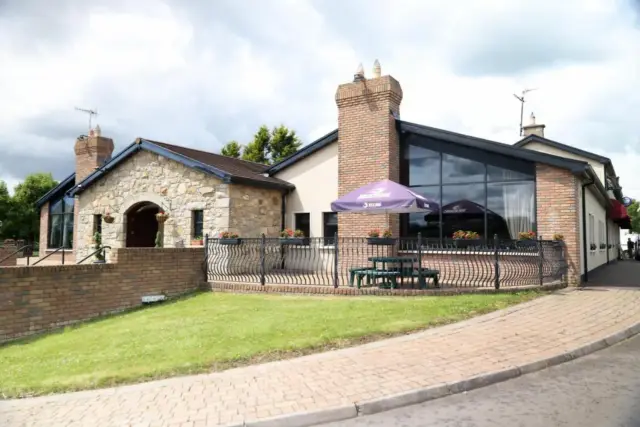
The Gables
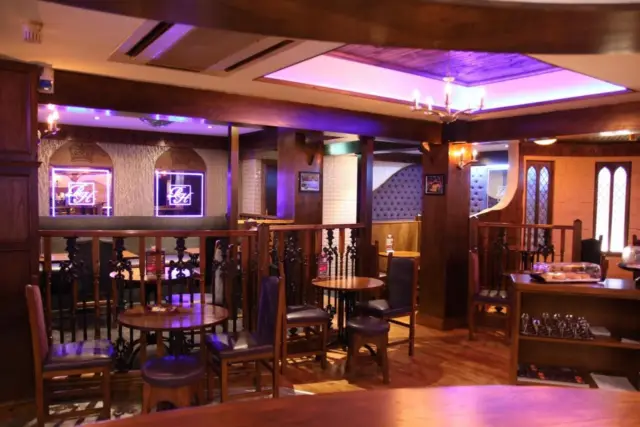
Stamps by Eight Continents The Royal Hotel, Cookstown
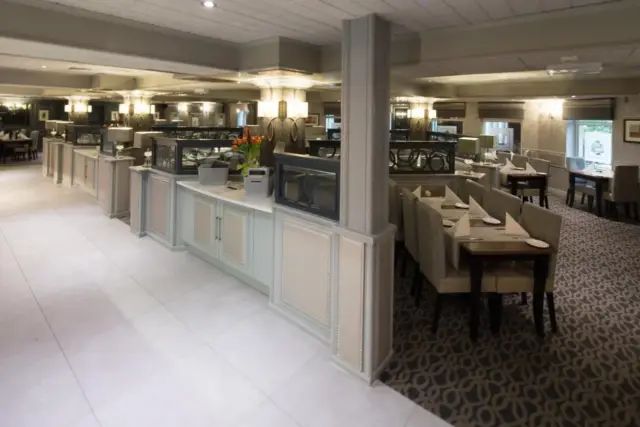
Glenavon House Hotel