About Longhorsley
Location, access, and first impressions
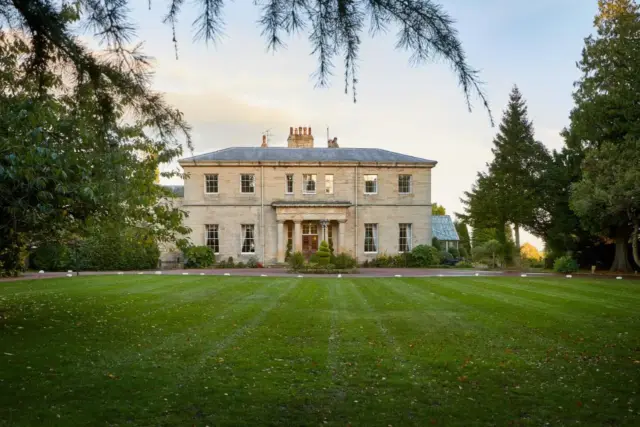
Longhorsley sits in the Northumberland countryside, in the northeast of England. Nestled near Morpeth, the village feels like a quiet retreat within a landscape of fields, stone walls, and red-brick farmhouses. Public transport links and roads provide convenient access for day trips, while car hire and gentle strolls open the door to surrounding trails. Visitors arrive to a peaceful atmosphere and the warm hospitality of locals, making it easy to slow down and savor the rural charm.
Nature and outdoor activities
The rural scenery offers ample options for walkers. Nearby trails suit both short ambles and longer hikes, with opportunities for birdwatching in suitable spots. Cyclists can enjoy flat riverbanks and quiet lanes, while the mood of the countryside shifts with the seasons. Spring and summer bring colorful blooms along the paths; autumn paints the landscape with golden tones. Families can find safe play spaces, making it a great destination for a nature-filled family outing or a romantic countryside escape.
History and architectural texture
Close to Longhorsley are old farms and stone churches that offer a window into the area’s past. The architecture reflects traditional English village aesthetics: simple lines, warm stone, and a sense of time standing still. The tranquil pace of the village allows history lovers to explore sturdy structures and hear local stories, providing a brief but rewarding glimpse into rural life as it has evolved over generations.
Food, lodging, and local businesses
Around Longhorsley, you’ll find traditional pubs and small inns that showcase local produce and seasonal dishes. A warm bowl of soup, fresh bread, and homemade desserts are common comfort foods for travelers. Accommodation ranges from farmhouse B&Bs to small boutique hotels that include breakfast. Staying here means starting the day with crisp air and birdsong, and ending it in conversation with welcoming locals. The area emphasizes sustainable, small-scale hospitality, adding authenticity to your stay.
Two to three day itineraries
Use Longhorsley as a starting point for a short break with a slow pace. Day one can begin with a countryside walk and a hearty village breakfast, followed by visits to nearby hamlets. Day two can feature a trip to Alnwick for Alnwick Castle or the gardens, returning to the countryside for a relaxed evening. Day three can include a stroll through natural reserves, then a stop at Cragside or another nearby highlight. These itineraries balance nature, history, and relaxation for travelers seeking a peaceful yet enriching break.
Nearby attractions worth a visit
Within a short drive are Cragside (National Trust) and Alnwick Castle. You can plan a route to Hadrian’s Wall Country and enjoy scenic coastal towns such as Seahouses or Bamburgh for sunset views. These sites complement Longhorsley’s quiet charm, offering a blend of historic sites and natural beauty for day trips and longer explorations alike.
Practical tips and safe travel
Northumberland’s weather can be changeable, so pack a waterproof jacket, sturdy walking shoes, and a basic first-aid kit. Mobile coverage is generally good, but rural pockets may have limited signal, so a power bank is wise. Supporting local businesses enhances your experience and helps keep the regional economy vibrant. Consider picking up a local craft as a souvenir, and engage with residents to learn more about the area’s traditions and stories. A mindful approach makes your visit more meaningful.
Sustainable tourism and local economy
Longhorsley offers a sustainable rural tourism experience when you travel with care. Favor local products, choose small-scale accommodations, and minimize waste. Engaging with local guides and contributing to community initiatives helps preserve the region’s character for future visitors. Your visit becomes part of a responsible tourism effort that protects landscapes and supports residents who rely on tourism for livelihoods.